

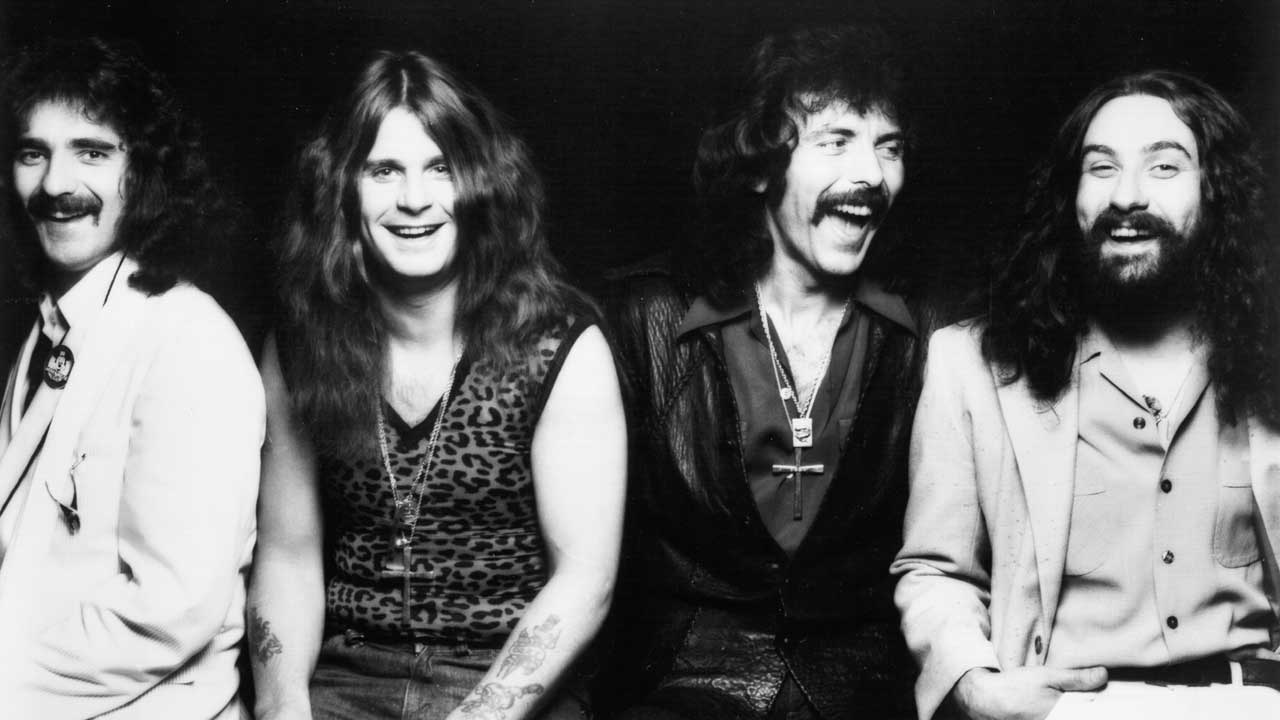

When Black Sabbath appeared from the rough industrial backdrop of Birmingham, England, towards the end of the 1960s, not many foreseen the tremendous influence they would exert on the music scene. By blending elements of blues, hard rock, and an interest in the eerie, the group not only created a distinct musical persona but also established the roots for the genre now known as heavy metal.
At a time when psychedelic rock and progressive experimentation dominated the charts, Black Sabbath introduced something darker and heavier. Their sound was slower, more menacing, and saturated with doom-laden riffs that cut through the optimistic tone of the era. It was a stark contrast to the flower power movement, and that contrast became a core part of their appeal.
At the heart of this new sound was guitarist Tony Iommi, who had to innovate his playing technique out of necessity. Following a severe factory accident that injured his fingers, Iommi was compelled to modify his method. By lowering the pitch of his guitar to reduce the strain on his hands, he inadvertently provided the band with a heavier, more profound sound. This unrefined edge became a signature feature of Sabbath’s music and, in time, the heavy metal genre.
The band’s early compositions also set them apart. Tracks like “Black Sabbath,” “N.I.B.,” and “The Wizard” combined dark lyrical themes with crushing instrumentation. These weren’t songs about love and rebellion in the usual sense—they spoke of evil, fear, and inner turmoil. Ozzy Osbourne’s eerie vocals gave voice to these themes, while Geezer Butler’s bass and Bill Ward’s drumming rounded out a rhythm section that was both thunderous and intricate.
However, what truly set Black Sabbath’s music apart was not merely the sound—it was the mood it generated. Beginning with the ominous bell that marks the start of their first album and continuing with the unyielding vigor of subsequent works, the group crafted an ambiance that was intense, commanding, and deeply impactful. This was music that did more than just amuse; it provoked. It compelled the audience to face more somber feelings, providing a release through its overwhelming sound and intensity.
Heralding a pivotal moment, their self-titled debut album, launched in 1970, changed the game. Critics were initially unimpressed, but the audience reacted swiftly and passionately. Fans were captivated by the group’s unrepentant intensity and dark vibe. This record, frequently regarded as the inception of heavy metal, pioneered a blend of blues-influenced rock with dark elements and assertive energy.
Subsequent records such as Paranoid and Master of Reality polished their style even more. Tracks like “Iron Man” and “War Pigs” highlighted the group’s talent in merging catchy melodies with socially aware words and genre-specific riffs. With every album, Black Sabbath broadened their musical range while intensifying their focus on the subjects that had distinguished them from the beginning.
What stands out is the natural manner in which this progression happened. The band didn’t intentionally plan to form a new genre; rather, they were just drawing from their surroundings and inspirations. The industrial decline of Birmingham after the war found its way into their music, infusing it with a raw, genuine essence that connected with disillusioned young people globally. By doing this, they articulated the feelings of a generation looking for something deeper and more authentic than the conventional rock scene could provide.
As additional groups started to appear with comparable sound characteristics, heavy metal solidified as a separate musical genre. Bands such as Judas Priest, Iron Maiden, followed by Metallica, all recognized their origins in the pioneering sounds developed by Sabbath. The motifs now classic to the genre—intense riffs, somber visuals, and a focus on ambiance—owe much to the initial endeavors of Osbourne, Iommi, Butler, and Ward.
The group’s impact went far beyond the music itself. Their style—album art displaying desolate visuals, lyrics exploring themes of existential anxiety, and live performances that mixed drama with intimidation—contributed to the cultural identity of heavy metal. They were not only crafting songs; they were forging a cultural phenomenon that would influence everything from attire to ideology in the years ahead.
Over the years, Black Sabbath’s legacy has only grown. The band has been credited with inspiring not only heavy metal but numerous subgenres, including doom metal, stoner rock, and sludge. Their approach to songwriting, instrumentation, and production became a blueprint for countless artists who followed. Even today, young musicians continue to cite Sabbath as a formative influence, drawn to their uncompromising style and their raw, emotional honesty.
Despite lineup changes, criticism, and periods of inactivity, Black Sabbath remained a central pillar in the world of heavy music. Their eventual farewell tour and final performances were not just celebrations of a band, but of a movement that started with four working-class musicians in Birmingham and grew into a global phenomenon.
Ultimately, Black Sabbath didn’t set out to invent heavy metal—they simply played what felt true to them. But in doing so, they created a sound that had never been heard before, and they opened the door for generations of artists to push boundaries, challenge norms, and explore the darker corners of human emotion through music.
Their journey from local act to global pioneers is a testament to the power of authenticity and innovation. By forging their own path, Black Sabbath redefined what rock music could be—and gave the world a new way to feel, to express, and to rebel.


