

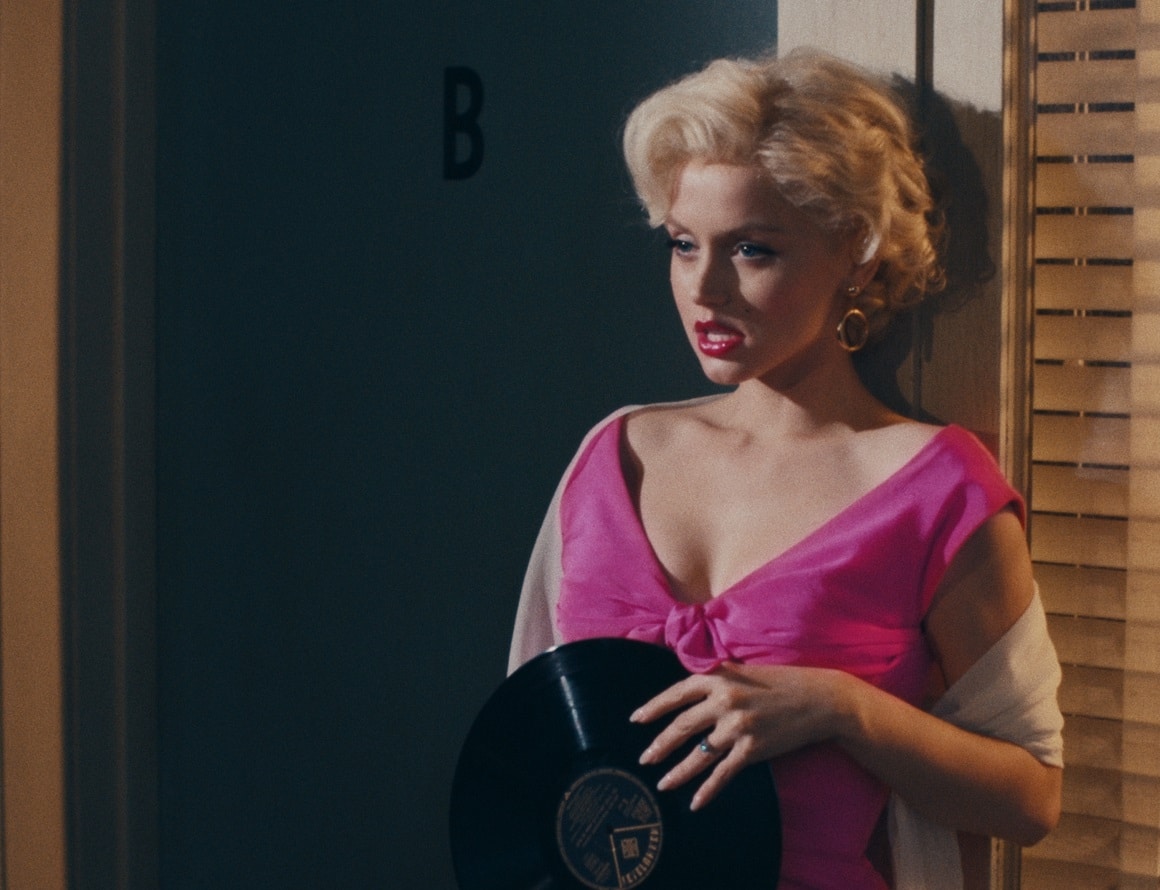

The fair-haired enchantress has been a staple of culture for ages, symbolizing a compelling blend of attraction and intimidation. Beyond being merely a beauty icon, she epitomizes a nuanced dance between appeal and peril—a persona that both mesmerizes and disturbs consistently. Across time, this archetype has functioned as a double-edged weapon, lauded for its allure but also examined for the danger it seems to pose.
From Hollywood starlets to modern-day influencers, the blonde bombshell has maintained an enduring presence in media and popular culture. Her image is carefully constructed, blending glamour with an undercurrent of power. Yet, this very power often transforms her into a subject of fascination and fear. The golden hair, striking features, and confident demeanor command attention, but they also invite speculation, objectification, and even distrust.
The origins of this archetype can be traced back to early cinema, where actresses like Jean Harlow and Marilyn Monroe perfected the art of the blonde seductress. Their performances were more than mere entertainment; they shaped societal perceptions of femininity, sexuality, and agency. Monroe, in particular, became an enduring symbol of this duality—her vulnerability and wit contrasting with the way she was often reduced to a mere object of desire. The tragedy of her life underscored the darker implications of this image, revealing how easily admiration can turn into exploitation.
Beyond Hollywood, the blonde bombshell has been a recurring motif in literature, music, and advertising. She is both the femme fatale of noir films and the glamorous muse of pop culture. In each iteration, she challenges norms, disrupts expectations, and forces audiences to confront their own biases. Is she a figure of empowerment or a product of male fantasy? The answer often depends on who controls the narrative.
The fascination and debate surrounding the blonde bombshell stem from her skill in using her persona to exert influence. In various situations, she is praised for her self-assurance and independence; in different scenarios, she is criticized as being shallow or even risky. This duality reflects wider societal views on beauty, authority, and femininity. When a woman confidently embraces her sexuality, she often encounters both praise and criticism, exposing the deeply rooted contradictions in societal views of female empowerment.
As of now, the blonde bombshell is still transforming, adjusting to changing cultural contexts. Contemporary stars and well-known individuals embrace the archetype, employing it to defy stereotypes instead of submitting to them. Nonetheless, the core themes persist: allure and peril, respect and unease. Whether seen as an emblem of freedom or a creation of patriarchal notions, the blonde bombshell continues to be a lasting—and controversial—icon in the shared consciousness.
In the end, her legacy mirrors society—a reminder that beauty and power are seldom impartial, and that the things we covet most are often the same ones we dread.


