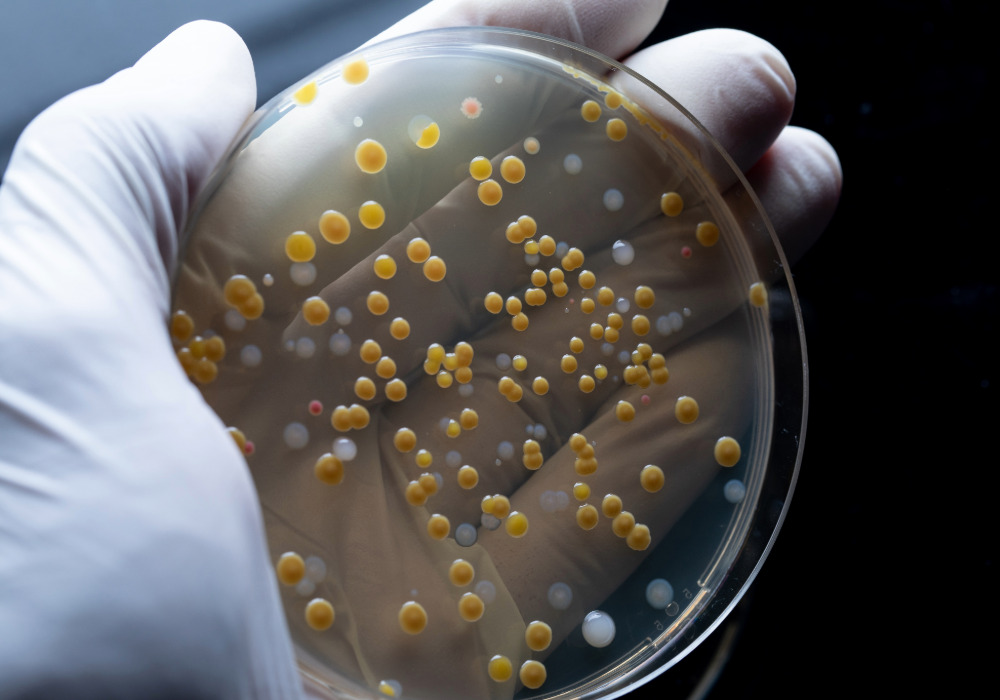

Synthetic biology initially rose to prominence through its role in pharmaceuticals, where modified microbes were harnessed to generate insulin, vaccines, and intricate biologic therapies. Over the last decade, the same foundational strengths—accurate genetic engineering, scalable fermentation processes, and data-guided refinement—have evolved and become affordable enough to tackle challenges well outside the medical sphere. Consequently, synthetic biology is now moving swiftly into materials science, reaching into fields like textiles, construction, packaging, and electronics.
This expansion is driven by a convergence of technological readiness, market demand for sustainability, and limitations of traditional material manufacturing.
Technological Enablers Behind the Expansion
Several technical advances have lowered the barriers to applying synthetic biology in materials development.
- Advanced genetic design tools: CRISPR-based editing, automated DNA synthesis, and standardized biological parts allow researchers to program organisms to produce structural proteins, polymers, and composites with predictable properties.
- Scalable biomanufacturing: Fermentation infrastructure originally built for pharmaceuticals can now be repurposed to grow microbes that secrete material precursors at industrial scale.
- Computational modeling and AI: Machine learning accelerates the design-build-test cycle, helping scientists predict how genetic changes affect material strength, flexibility, or durability.
These tools make it feasible to engineer biology not just for biological function, but for mechanical, thermal, and chemical performance.
Shortcomings Found in Traditional Materials
Conventional materials typically originate from fossil resources, mined minerals, or energy-heavy chemical methods, and these practices are now facing escalating limitations.
- Environmental impact: Cement production alone accounts for roughly 7–8 percent of global carbon dioxide emissions, while plastic waste accumulates at more than 350 million metric tons per year worldwide.
- Finite resources: Petroleum-based polymers and rare minerals are subject to price volatility and geopolitical risk.
- Performance trade-offs: Many synthetic materials achieve strength or durability at the cost of recyclability or biodegradability.
Synthetic biology offers a fundamentally different production model, one that grows materials rather than extracts or synthesizes them through high-temperature chemistry.
Examples of Bioengineered Materials in Practice
The shift toward materials is already evident in commercial and pilot-scale uses.
- Bio-based polymers: Companies cultivate engineered bacteria to synthesize polyhydroxyalkanoates, biodegradable plastics whose performance rivals that of polypropylene, serving diverse roles in packaging and medical applications.
- Spider silk alternatives: Modified yeast and other microbes generate silk-mimicking proteins that can be spun into fibers, delivering strength surpassing steel by weight for use in apparel, cordage, and advanced composites.
- Mycelium-based materials: Fungal mycelial networks are cultivated within molds to form insulation boards, cushioning foams, and leather-like fabrics, combining low-energy production with inherent biodegradability.
- Living building materials: Research teams have developed bacteria capable of precipitating calcium carbonate, making possible self-healing concrete that gradually closes developing cracks.
These cases illustrate how biological systems can be adjusted to generate materials possessing tailored physical properties.
Key Forces Influencing the Economy and Market
Economic considerations are increasingly driving its adoption, extending well beyond mere technical viability.
- Sustainability premiums: Brands and manufacturers increasingly accept higher prices for low-carbon materials to align with regulatory demands and shifting consumer expectations.
- Customization at scale: Synthetic biology allows swift modification of material characteristics without overhauling entire production lines.
- Cost curves similar to biotechnology: As demonstrated in genome sequencing and biologics, expenses drop steeply with expanded scale and accumulated expertise, making bio-based materials ever more cost-effective.
Market analysts estimate that the global market for bio-based materials could exceed hundreds of billions of dollars within the next two decades, driven largely by packaging, construction, and textiles.
Why Emphasizing Materials Goes Beyond Medicine
Pharmaceutical uses of synthetic biology are tightly regulated, require substantial capital, and deal with comparatively limited quantities of premium products, whereas materials constitute enormous markets characterized by steady demand and significantly fewer regulatory constraints.
Generating a kilogram of a therapeutic protein might warrant significant expenses, but manufacturing large quantities of structural materials demands efficiency, durability, and environmental responsibility. Synthetic biology has now advanced to a point where it can satisfy these demands, positioning materials as the obvious next frontier.
Key Obstacles and Considerations
Despite rapid progress, several challenges remain.
- Scale-up complexity: Achieving consistent large-scale growth of living systems can become more demanding than conventional chemical production.
- Public perception: Persistent worries about genetically engineered organisms make transparent dialogue and robust biosafety protocols essential.
- Infrastructure transition: Established manufacturing setups must adjust to accommodate biologically oriented production methods.
Tackling these challenges remains crucial to ensure lasting adoption.
A Wider Reimagining of Manufacturing
Synthetic biology is moving into the materials realm because it reconceives manufacturing as a biologically driven activity instead of relying solely on mechanical or chemical methods, and by directing cells to construct matter with atomic-level accuracy under gentle conditions, industries can tap into materials that remain renewable, versatile, and attuned to ecological boundaries.
This transition signals a broader transformation in society’s approach to production, moving away from extraction and consumption and toward growth, renewal, and design modeled on living systems.