

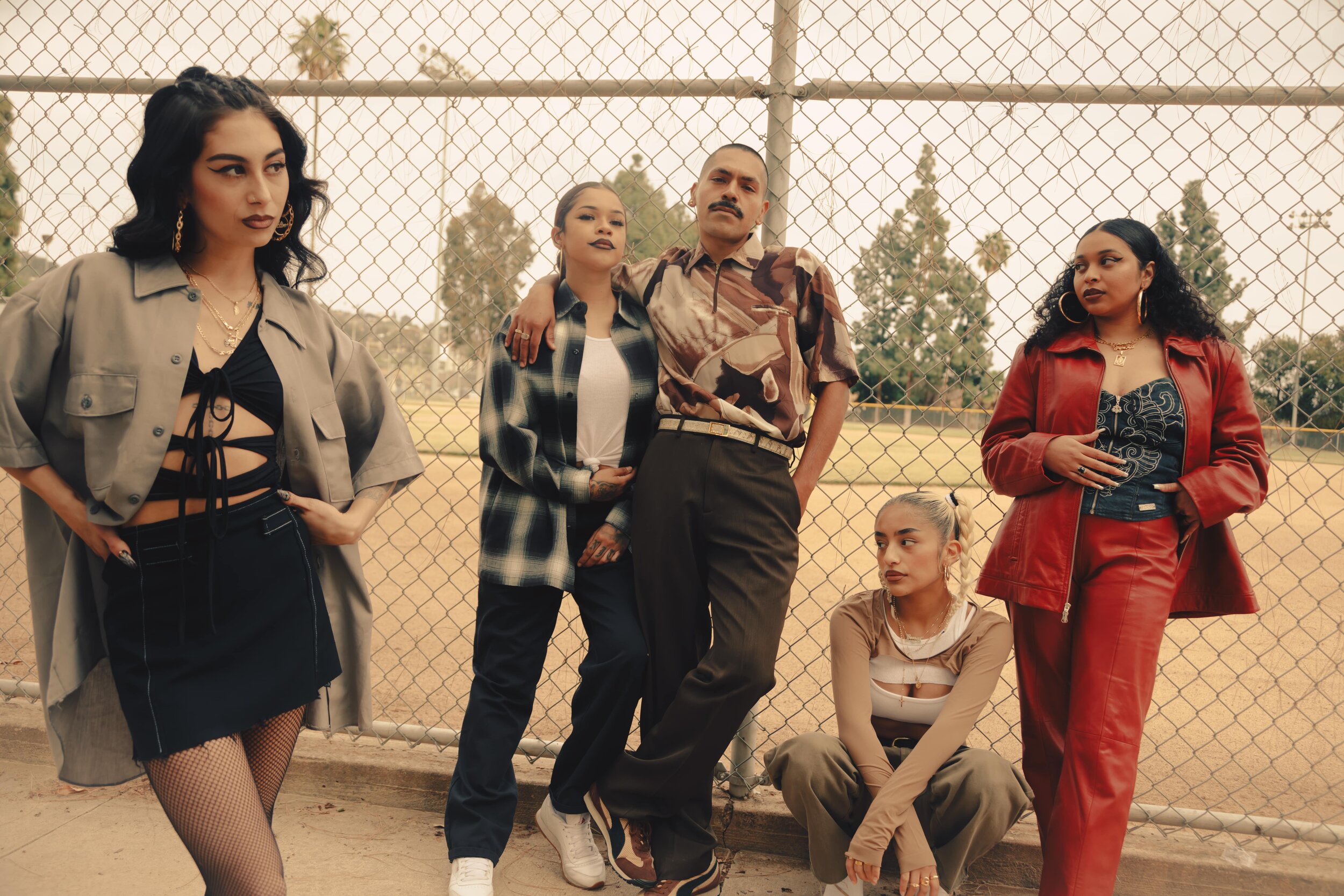

Across the United States, a new generation of Mexican Americans is embracing fashion not just as a personal choice but as a powerful means of cultural affirmation and resistance. By reinterpreting styles rooted in their heritage, these young individuals are reclaiming narratives that have often been misunderstood, misrepresented, or marginalized.
For numerous individuals, apparel has consistently symbolized more than mere textiles—it’s a representation of personal identity woven into each fiber. From the lively hues of customary attire to the modern style of Chicano streetwear, Mexican American young people are developing a visual dialect that mirrors their heritage alongside their contemporary experiences. This trend focuses on individual expression and challenges stereotypes while establishing a noteworthy presence that insists on acknowledgement and respect.
The history of Mexican American attire is closely connected to battles for identity, visibility, and civil liberties. In earlier years, cultural symbols like the zoot suit from the 1940s and the Chicano fashion of the 1970s acted as emblems of defiance, pride, and unity within the community. These fashions were not always appreciated; indeed, they were frequently criminalized or demonized by mainstream culture. The notorious Zoot Suit Riots of 1943, for instance, showcased how Mexican American adolescents were singled out merely because of their style of dress—a potent reminder of how clothing can be rendered political.
Currently, young Mexican Americans are exploring and reinventing these historical fashions, merging traditional elements with modern style trends. The outcome is a vibrant and ever-changing aesthetic that mirrors the diversity of the community. Embroidered tops, jackets inspired by lowrider culture, striking accessories, and retro sneakers merge in a unique combination that embodies the rich complexity of Mexican American identity.
At the heart of this fashion resurgence is a desire to reclaim cultural symbols that have often been appropriated or misunderstood. For years, elements of Chicano and Mexican fashion have been adopted by the mainstream without proper acknowledgment of their roots. By consciously choosing to wear these styles and to educate others about their significance, young people are challenging the erasure of their heritage.
Social media has played a crucial role in amplifying this movement. Platforms like Instagram, TikTok, and Pinterest have become digital runways where Mexican American creators showcase their style, share the stories behind their looks, and connect with others who share their passion for cultural expression. Hashtags related to Chicano fashion, Latina style, and indigenous design are helping to spread awareness and build a sense of global community.
For numerous individuals, this resurgence in style additionally acts as a form of resistance against frameworks that have long silenced their perspectives. In today’s societal environment—characterized by discussions surrounding immigration, racial equality, and identity politics—clothing choices can convey a strong statement. Conventional outfits, native designs, and even the everyday streetwear linked to Mexican American communities are being employed to confront stereotypes and seek acknowledgment.
Fashion as resistance is not about exclusion or gatekeeping; rather, it is about honoring and uplifting cultural traditions while forging new paths. Many young Mexican Americans are also exploring the intersections of their heritage with other identities, such as LGBTQ+ pride, feminist values, and environmental activism. This intersectional approach enriches the movement, making it more inclusive and representative of the diverse experiences within the community.
Entrepreneurs and fashion creators with Mexican American roots are also becoming more prominent, introducing clothing collections that honor their heritage alongside modern designs. Brands inspired by Chicano culture, indigenous craftsmanship, and the unique style of border towns are meeting a demand for genuine representation. By establishing and endorsing these brands, young buyers contribute to an economy that appreciates cultural authenticity and responsible production.
Moreover, fashion serves as a gateway to deeper conversations about history, migration, and social justice. Events such as fashion shows, art exhibitions, and cultural festivals provide platforms where clothing and storytelling intersect. Through these spaces, Mexican American youth are not only showcasing their style but also educating others about the richness of their culture and the challenges their communities continue to face.
This resurgence is appearing outside of urban areas as well. In smaller communities and countryside regions, young Mexican Americans are adopting traditional clothing that ties them to their heritage and forebears. Quinceañera gowns, folklorico outfits, and decorated textiles are being donned proudly in locations where these forms of expression were previously considered unconventional. This increasing acceptance indicates a more general cultural move toward appreciating diversity and genuineness.
Notably, this trend focuses on adaptation and innovation rather than nostalgia or mere imitation. The youth are embracing aspects from the past and revitalizing them, be it through eco-friendly fashion selections, digital creativity, or partnerships with artists from other underrepresented groups. The outcome is a dynamic and evolving culture that remains anchored in its traditions.
As this trend progresses, it also introduces significant questions about cultural appropriation in contrast to appreciation. Young Mexican Americans are at the forefront of the discussion on the responsible sharing of cultural symbols, advocating for respect, recognition, and authentic involvement instead of shallow adoption. This conversation is crucial in a time when globalization and mass media can swiftly alter or weaken cultural importance.
The attire selections by young Mexican Americans nowadays are also playing a part in the wider discussion about representation in media and popular culture. In movies, TV shows, and advertising, there is a gradual yet apparent shift towards more genuine and considerate portrayals of Latino and Chicano identities. The prominence of genuine style contributes to this change, indicating to industries that Mexican American culture is not merely a costume but a real-life experience that merits respect.
Moreover, the ecological dimension of the fashion industry has captured the attention of today’s youth. Numerous young Mexican American designers are championing sustainable and ethically-conscious fashion approaches, influenced by indigenous principles that emphasize a balance with nature. Thrifting, repurposing garments, and backing small-scale artisans are becoming more favored options, showing a dedication to preserving culture and taking care of the environment.
In learning environments, the impact of this trend is noticeable as well. Learners are utilizing clothing to showcase their cultural identity and to inform their classmates about Mexican history, customs, and achievements. Educational courses that emphasize Chicano studies, indigenous backgrounds, and diverse art are seeing a resurgence of interest, driven partly by the presence of cultural style both on campus and on the internet.
In the end, the revitalization of Mexican American fashion as a means of defiance and self-expression mirrors a broader push for empowerment and acknowledgment. It’s about taking back space in a society that has frequently tried to erase or pigeonhole these identities. Through clothing, young individuals are sharing their narratives, paying homage to their ancestors, and crafting a future where cultural pride is not only accepted but also embraced.
By doing this, they show us that fashion transcends mere appearance—it serves as a medium for self-expression, defiance, and aspiration. As this lively representation evolves, it provides important insights for everyone regarding the significance of tradition, determination, and the lasting influence of fashion to drive transformation.


