

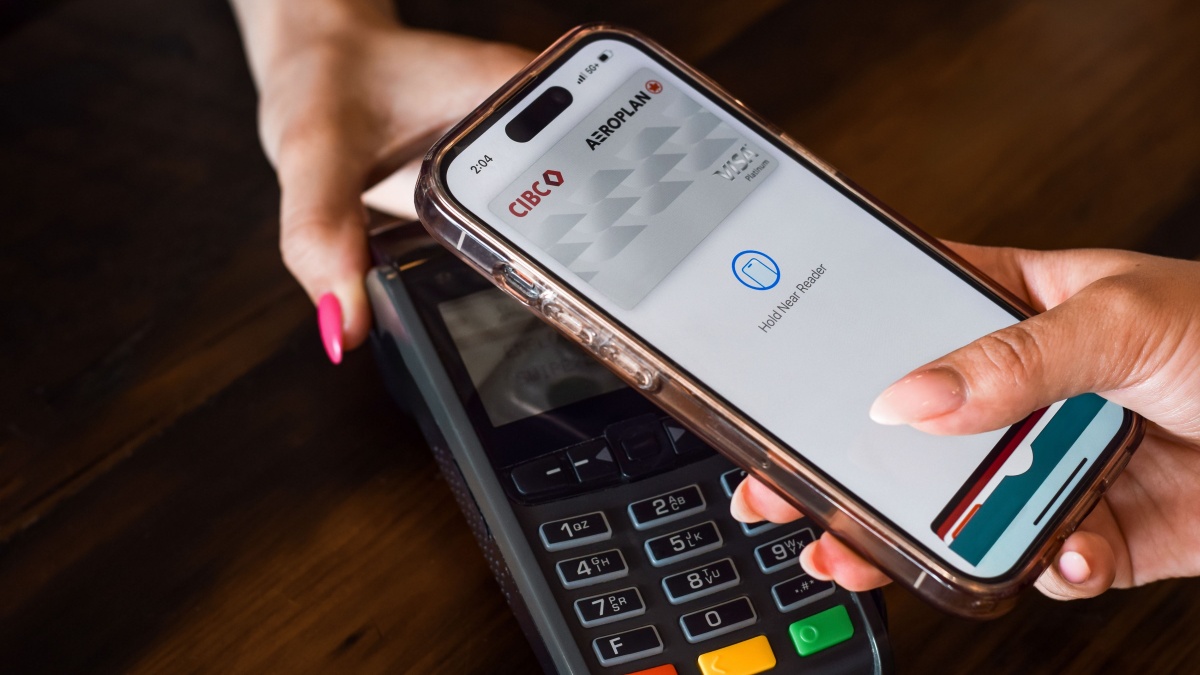

A significant legal conflict has arisen regarding the creation of Apple’s touchless payment system. According to court filings, the technology company is accused of unlawfully utilizing safeguarded intellectual assets to create its Apple Pay service. The case, lodged in federal court, puts forth substantial claims that might affect one of Apple’s highly lucrative offerings.
The complaint originates from a financial technology company that asserts its patented innovations form the foundation of Apple’s mobile payment solution. According to court filings, representatives from both organizations held multiple meetings where sensitive technical details were shared under confidentiality agreements. The plaintiff contends Apple later incorporated these proprietary concepts into Apple Pay without permission or compensation.
Legal experts point out that the case depends on intricate issues related to the safeguarding of intellectual property within the payment sector. The company bringing the complaint alleges that it created distinct authentication processes and transaction safety techniques that are noticeably akin to those employed in Apple’s system. Submitted technical documentation as proof purportedly reveals significant similarities between the patented innovations and the operational structure of Apple Pay.
Apple has vigorously denied these allegations, maintaining that its payment platform resulted from independent research and development. Company representatives highlight Apple Pay’s distinctive user experience and integration with the iOS ecosystem as evidence of original engineering work. The Cupertino-based firm has moved to dismiss the lawsuit, characterizing it as an opportunistic attempt to profit from Apple’s market success.
The timing of this legal action proves particularly significant as Apple faces increasing scrutiny over its services business model. With regulatory pressure mounting worldwide regarding App Store policies and developer relationships, this lawsuit adds another layer of complexity to Apple’s legal challenges. Financial analysts observe that Apple Pay has become an increasingly important revenue stream, processing billions in transactions annually.
This case raises fundamental questions about innovation protection in the digital age. As mobile payments become ubiquitous, the origins of foundational technologies grow increasingly contentious. The lawsuit alleges that Apple gained unfair competitive advantage by accessing confidential information during what were ostensibly exploratory business discussions.
The plaintiff aims to secure significant financial compensation and possibly an injunction that may require changes to the technical setup of Apple Pay. Although such a result may not be imminent, it might have widespread implications for the mobile payments sector. Rivals and financial organizations are keeping a close watch on the proceedings, since the decision could impact future collaborations in technology and discussions regarding intellectual property.
Legal experts anticipate that this conflict might take years to settle through the judicial process. Comparable high-profile cases in the tech industry frequently conclude with settlements prior to going to trial, although neither side has shown a readiness to negotiate at this point. The discovery phase might be particularly enlightening, possibly compelling Apple to disclose internal development documents concerning the creation of Apple Pay.
For consumers, the immediate impact appears minimal, with Apple Pay continuing normal operations. However, the case highlights broader concerns about transparency in digital payment systems and the protection of financial technology innovations. As cashless transactions become the norm, the infrastructure supporting these systems faces growing legal and regulatory examination.
The lawsuit also underscores the delicate nature of corporate partnerships in the tech industry, where sharing proprietary information often precedes potential collaboration. Many startups and smaller firms now face difficult calculations about protecting intellectual property when engaging with industry giants. This case may establish important guidelines for how such interactions should be conducted to prevent future disputes.
As the competition among mobile payment platforms intensifies to establish themselves as the primary transaction method for smartphones, watches, and various other devices, the unique technology driving these services gains more importance. The result of this legal case may impact how advancements in payment technology are created, distributed, and monetized within the financial technology industry in the future.
Industry observers suggest this dispute may prompt companies to implement stricter safeguards when discussing potential partnerships. More comprehensive nondisclosure agreements, clearer documentation of invention timelines, and enhanced security protocols for sensitive technical information could become standard practice following this high-profile case.
For the moment, Apple continues to hold a leading role in mobile transactions, with Apple Pay being widely accepted by merchants across the globe. Nevertheless, this legal case brings about fresh uncertainty regarding the technological beginnings of the service and could influence its future growth plans. As the legal proceedings progress, the case might uncover valuable information about innovation practices in Silicon Valley and the competitive landscape of the payment sector.
Las repercusiones más amplias van más allá de estas dos compañías, abarcando preguntas esenciales sobre cómo avanza la tecnología en industrias interrelacionadas. La resolución de este caso podría definir límites importantes sobre los derechos de propiedad intelectual en la tecnología financiera, influyendo en la manera en que las innovaciones futuras se desarrollan y comercializan en el ámbito de los pagos digitales.


