

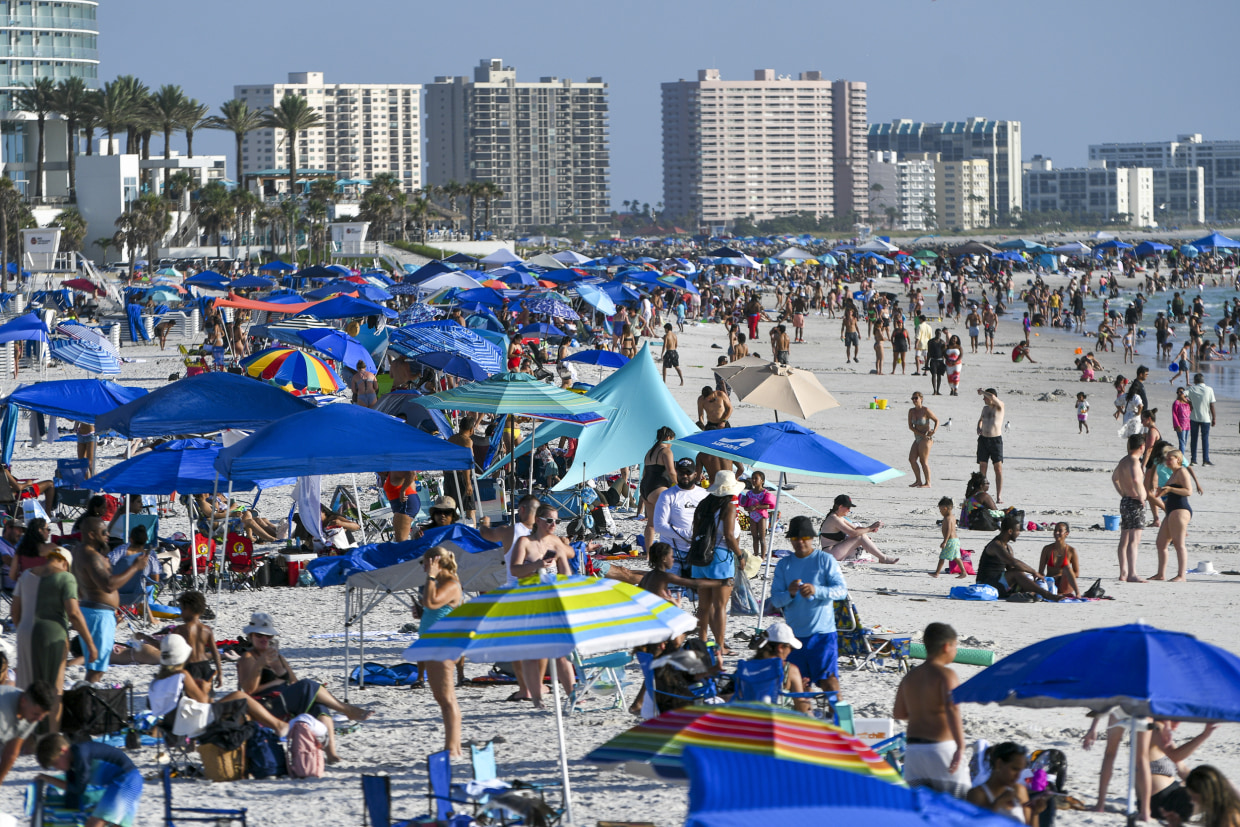

Coastal areas in the Southeastern United States are seeing an unexpected increase in harmful bacterial infections that have resulted in several deaths this year. Health authorities indicate that Vibrio vulnificus, a possibly lethal bacterium present in warm ocean waters, has led to at least ten confirmed deaths in Florida, Louisiana, and the Outer Banks of North Carolina since January.
Antarpreet Jutla, a researcher at the University of Florida, observes that the early summer surge in cases is atypical when compared to historical trends. Vibrio infections often rise after hurricanes, yet this year’s cases have surfaced before the main storm season. Jutla’s team is looking into the unusually high levels of vibrio indicators such as plankton in the Florida Panhandle, indicating that environmental elements might be influencing the outbreak.
The Centers for Disease Control and Prevention suggests that Vibrio vulnificus is deadly in about 20% of its cases. Typically, infections happen when the bacteria breach the body through cuts or wounds that contact warm saltwater, while eating raw oysters is an alternative common method of transmission. Once it takes hold, the infection can progress rapidly, damaging nearby tissue and possibly reaching the bloodstream.
Vulnerable groups are at heightened risk, as noted by infectious disease expert Dr. Norman Beatty from University of Florida Health. People suffering from liver diseases, weakened immune systems, or enduring ailments such as diabetes show notably increased vulnerability. Additionally, older individuals face more significant threats because of age-related weakening of the immune system.
Initial signs require urgent medical evaluation – redness, swelling, and characteristic bullseye-shaped blisters surrounding injuries suggest a potential infection. As the illness advances, individuals might experience fever, chills, and critically low blood pressure, which points to a life-threatening septic condition. Immediate antibiotic therapy greatly enhances recovery, making swift diagnosis essential.
Climate scientists warn warming ocean temperatures are expanding Vibrio’s habitat range northward along both coasts. Cases have appeared in typically cooler regions including New York, Connecticut, and Maryland in recent years. Researchers believe rising water temperatures create ideal conditions for bacterial proliferation, potentially explaining the current southeastern outbreak.
Prevention is still the best way to protect yourself from these harmful infections. Health specialists suggest:
- Cubre completamente todas las heridas antes de entrar al océano
- Evita actividades en agua salada con cortes o raspones recientes
- Cocina bien los mariscos y manipúlalos con seguridad
- Busca atención médica inmediata ante cualquier síntoma sospechoso
Although Vibrio vulnificus constitutes merely one among more than 200 species of vibrio, its possible severity calls for particular vigilance. Many other strains result merely in mild digestive ailments, although Vibrio parahaemolyticus and Vibrio alginolyticus might induce uncomfortable cases of foodborne illness.
Health organizations persist in observing the state of beach waters as the hurricane period nears, because high tides and water overflow frequently heighten the dangers of infections. People living in or traveling to the impacted regions should stay alert regarding aquatic safety and safeguarding wounds during the hottest months when the levels of bacteria are at their highest.
The ongoing eruption is a stark alert to the concealed risks in nature, especially for individuals with pre-existing health issues. As weather trends shift, tackling and preventing these diseases will probably necessitate continuous collaboration among healthcare providers, scientists, and seaside communities. Meanwhile, vigilance and rapid response are crucial defenses against this possibly lethal oceanic hazard.


