

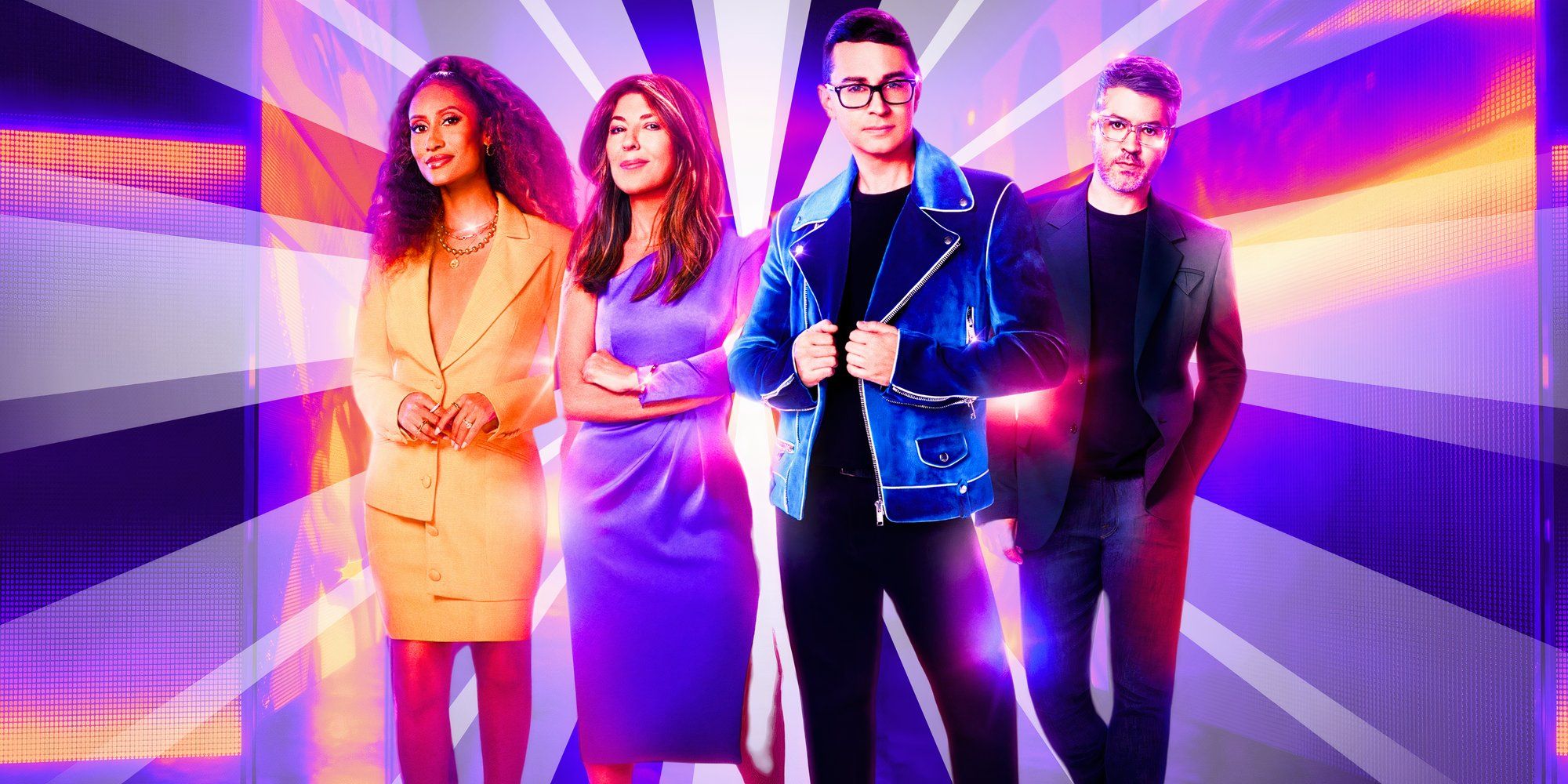

The renowned fashion contest series is set to make its much-awaited comeback on TV, reintroducing well-known challenges and intense creative trials for emerging designers. As the program gears up for its latest season, experts in the field are wondering if the updated version can cultivate the upcoming wave of impactful fashion commentators in a reality TV scene that is becoming increasingly saturated.
Project Runway initially transformed fashion television by providing the audience with a genuine insight into the artistic process of designing apparel. The initial seasons of the program propelled several prominent careers, with former winners and participants eventually creating thriving brands, styling celebrities, and participating in major fashion events. Nonetheless, the modern media landscape introduces fresh hurdles in identifying standout talent, as numerous online platforms now provide different routes for emerging designers to gain acknowledgment.
Este formato de esta temporada conserva los elementos principales que hicieron exitoso al programa: desafíos contrarreloj, pruebas con materiales poco convencionales y paneles de jueces rigurosos, al mismo tiempo que incorpora actualizaciones para reflejar cambios en la industria de la moda. Los espectadores pueden anticipar un mayor enfoque en prácticas de diseño sostenible, consideraciones sobre tallas inclusivas y habilidades de presentación digital que se han vuelto esenciales en el mundo de la moda tras la pandemia. Los productores también han prometido un grupo más diverso de concursantes, representando una gama más amplia de orígenes y perspectivas de diseño que en temporadas anteriores.
The fashion industry itself has undergone significant transformation since Project Runway’s heyday. Social media platforms like Instagram and TikTok have democratized fashion discovery, allowing unknown designers to build followings without traditional gatekeepers. At the same time, the barriers to launching a fashion label have lowered considerably, with direct-to-consumer platforms and digital pattern-making tools making it easier than ever to start a clothing line. These changes raise questions about whether a television competition can still serve as the career-making platform it once was.
Judging the new season are both familiar faces and fresh perspectives. Longtime host and executive producer remains involved, providing continuity for loyal viewers, while the judging panel incorporates influential figures from different corners of the fashion world. This mix of established industry veterans and contemporary voices aims to bridge the gap between traditional fashion institutions and today’s more decentralized style ecosystem.
The obstacles that participants encounter have been revised to align with present-day industry requirements. Beyond traditional tasks such as crafting clothing from unusual materials, designers will address genuine issues confronting contemporary fashion enterprises, such as developing collections that accommodate all sizes, designing for digital fashion shows, and crafting sustainable production methods. These pragmatic aspects are intended to equip participants with abilities that apply directly to the current fashion scene.
For viewers, the show offers both entertainment and education about the realities of fashion design. Behind-the-scenes segments delve deeper into technical aspects like pattern-making and fabric selection than typical fashion programming. The production also highlights the business side of fashion, showing contestants navigating budgets, timelines, and client expectations – valuable insights for aspiring designers watching at home.
El regreso del espectáculo coincide con un renovado interés en la moda como forma de expresión personal, tras años de predominio de la ropa informal debido a la pandemia. A medida que los consumidores vuelven a las oficinas y eventos sociales, muchos están reconsiderando su estilo personal, lo que crea posibles oportunidades para que surjan nuevas voces de diseño. Un participante exitoso de esta temporada podría aprovechar este momento de reinvención en el vestir.
Nevertheless, the journey from a reality television participant to a renowned designer continues to be difficult. Previous winners of Project Runway have experienced differing levels of achievement, with some establishing enduring brands and others having difficulty evolving from competition favorites to successful entrepreneurs. The producers of the new season assert that they have introduced more comprehensive support systems after the show, which include mentorship initiatives and business development tools, to assist accomplished contestants in overcoming these challenges.
The fashion media will be watching closely to see if this iteration can produce designers who make meaningful impacts on the industry. In an era when viral moments often translate to commercial success more reliably than traditional design credentials, the show faces pressure to demonstrate that its model of talent discovery remains relevant. A breakout star from this season could validate the continued importance of structured design training and traditional skill development in an increasingly democratized fashion world.
For aspiring designers, the show still represents a rare opportunity to showcase talent to industry insiders and mass audiences simultaneously. The exposure alone can jumpstart careers, even for contestants who don’t win the competition. Past participants have leveraged their appearances into collaborations, licensing deals, and editorial features that might otherwise have taken years to secure.
As fashion continues evolving to address issues of sustainability, representation, and digital transformation, Project Runway’s return comes at a pivotal moment. The show’s ability to spotlight designers who can speak to these concerns while creating commercially viable, aesthetically compelling work may determine whether it can recapture its former influence. The coming weeks will reveal whether this season produces another crop of memorable personalities or, more importantly, the next genuine fashion star capable of shaping how we dress in the years ahead.
The rebooted Project Runway encounters a similar challenge to the designers it showcases: how to respect its legacy while evolving for the modern viewers. Achieving success will rely on balancing – preserving the excitement and artistic pressure that made it essential viewing, while adjusting to a fashion world that has changed significantly since the show’s debut. Those watching will see if this fresh era can successfully make reality TV an influential platform for uncovering the future’s fashion leaders.


