

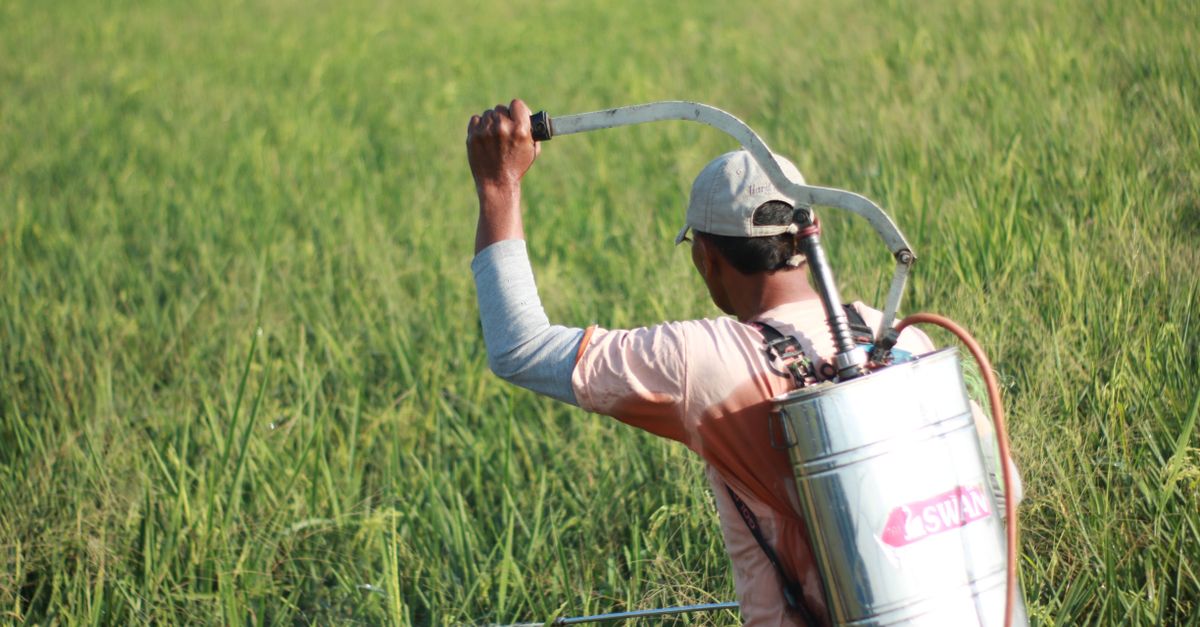

The Digital Transformation of Agriculture
Agriculture is undergoing a profound transformation driven by drones and robotic systems. These technologies are reshaping how farmers monitor crops, detect stress, and apply inputs such as fertilizers and pesticides. By combining aerial intelligence, ground-based robotics, and data analytics, modern farms are becoming more precise, efficient, and environmentally responsible.
How Drones Enhance Crop Surveillance Efforts
Drones, often referred to as unmanned aerial vehicles, have emerged as vital instruments for monitoring crops in real time, using sophisticated sensors and cameras to deliver observations that were once costly or impractical to gather on a broad scale.
- Multispectral and hyperspectral imaging: These instruments collect information far beyond visible light, enabling farmers to detect nutrient gaps, monitor water stress, and spot early indicators of crop disease.
- Thermal imaging: Variations in field temperature can highlight irrigation issues, uncover root damage, or signal pest activity.
- High-resolution mapping: Drones produce precise field maps that aid planting strategies, support yield predictions, and inform long-term soil stewardship.
A practical illustration is seen on expansive grain farms in the United States, where using drones for field monitoring has cut crop scouting time by over 70 percent and enabled the identification of disease outbreaks several days sooner than relying solely on visual checks.
Robotics in Field-Level Crop Monitoring
Ground-based agricultural robots complement drones by operating directly within the crop canopy. These machines use cameras, lidar, and artificial intelligence to collect close-range data.
- Plant-by-plant analysis: Robots evaluate each plant’s condition, developmental stage, and spacing requirements.
- Continuous monitoring: In contrast to drones, robots may work daily or even nonstop, delivering ongoing time-series insights.
- Autonomous navigation: Advanced robotic platforms travel between rows while avoiding harm to the crops.
In vegetable production, robotic scouts have helped farmers detect pest pressure at an early stage, reducing crop losses and minimizing unnecessary chemical treatments.
Precision Spraying with Drones
Spraying has become a major field where drones are reshaping modern farming, as these aircraft can distribute liquids with remarkable precision, directing applications solely to the zones requiring treatment.
- Variable-rate application: Spraying intensity adjusts automatically based on crop condition.
- Reduced chemical use: Studies in rice and wheat systems show pesticide reductions of 20 to 40 percent.
- Access to difficult terrain: Steep slopes and waterlogged fields can be treated safely without heavy machinery.
In Asia, drone spraying has become common in rice production, where labor shortages and flooded fields make traditional spraying inefficient. Farmers report faster operations and improved worker safety due to reduced chemical exposure.
Robotic Sprayers and Smart Machinery
Autonomous ground robots and smart tractors are redefining precision spraying on a larger scale. Using machine vision and artificial intelligence, these systems identify weeds and pests in real time.
- Spot spraying: Robots apply treatments solely to identified weeds while leaving the surrounding crops unharmed.
- Mechanical and chemical integration: Certain robots merge direct weed extraction with tightly controlled herbicide applications.
- Consistent accuracy: Robotic systems reduce mistakes linked to human fatigue by delivering steady, reliable performance.
Field trials across Europe have demonstrated that robotic spot‑spraying systems can reduce herbicide application by as much as 90 percent in selected crops, all while preserving or even enhancing overall yields.
Integrated Data and Strategic Decision Support
The real strength of drones and robotics emerges when their data flows into digital farm management systems, where images and sensor measurements are converted through analytics platforms into practical, decision-ready insights.
- Predictive models: Early alerts of disease or nutrient stress help ensure actions are taken at the right moment.
- Historical comparisons: Farmers evaluate patterns from past seasons to fine-tune their management approaches.
- Automation loops: Collected monitoring data guides how robotic or drone spraying routines are scheduled.
This integration supports precision agriculture at scale, turning raw data into practical decisions that improve both productivity and sustainability.
Environmental and Economic Impacts
Embracing drones and robotics yields tangible advantages that extend well beyond simple efficiency.
- Lower environmental footprint: By minimizing chemical dispersal and enabling more precise application, soil and water sources are better safeguarded.
- Cost savings: Using fewer inputs and requiring less manual labor gradually boosts the farm’s overall financial performance.
- Resilience to labor shortages: Automation supports consistent production even where access to an agricultural workforce is scarce.
Industry analyses indicate that farms adopting precision spraying technologies generally recover their investment within about two to three growing seasons.
Challenges and Limitations
Despite their advantages, drones and robotics face obstacles that affect adoption.
- Initial investment costs: Equipment and training can be expensive for small farms.
- Regulatory constraints: Drone flight rules vary by country and may limit operations.
- Data complexity: Interpreting large datasets requires digital skills and reliable software.
Ongoing innovation and supportive policy frameworks are gradually reducing these barriers.
The Coming Era of Crop Management
Drones and robotics are not just instruments; they signal a transition toward a smarter, more adaptive agricultural landscape. By viewing crops from both aerial and ground perspectives, farmers obtain richer insight into plant conditions and the differences across their fields. Such understanding supports accurate spraying, careful input management, and more robust production practices. As technology advances and blends naturally into everyday farm routines, crop monitoring and spraying are shifting from ordinary chores to data-informed approaches that harmonize productivity with environmental stewardship.


