

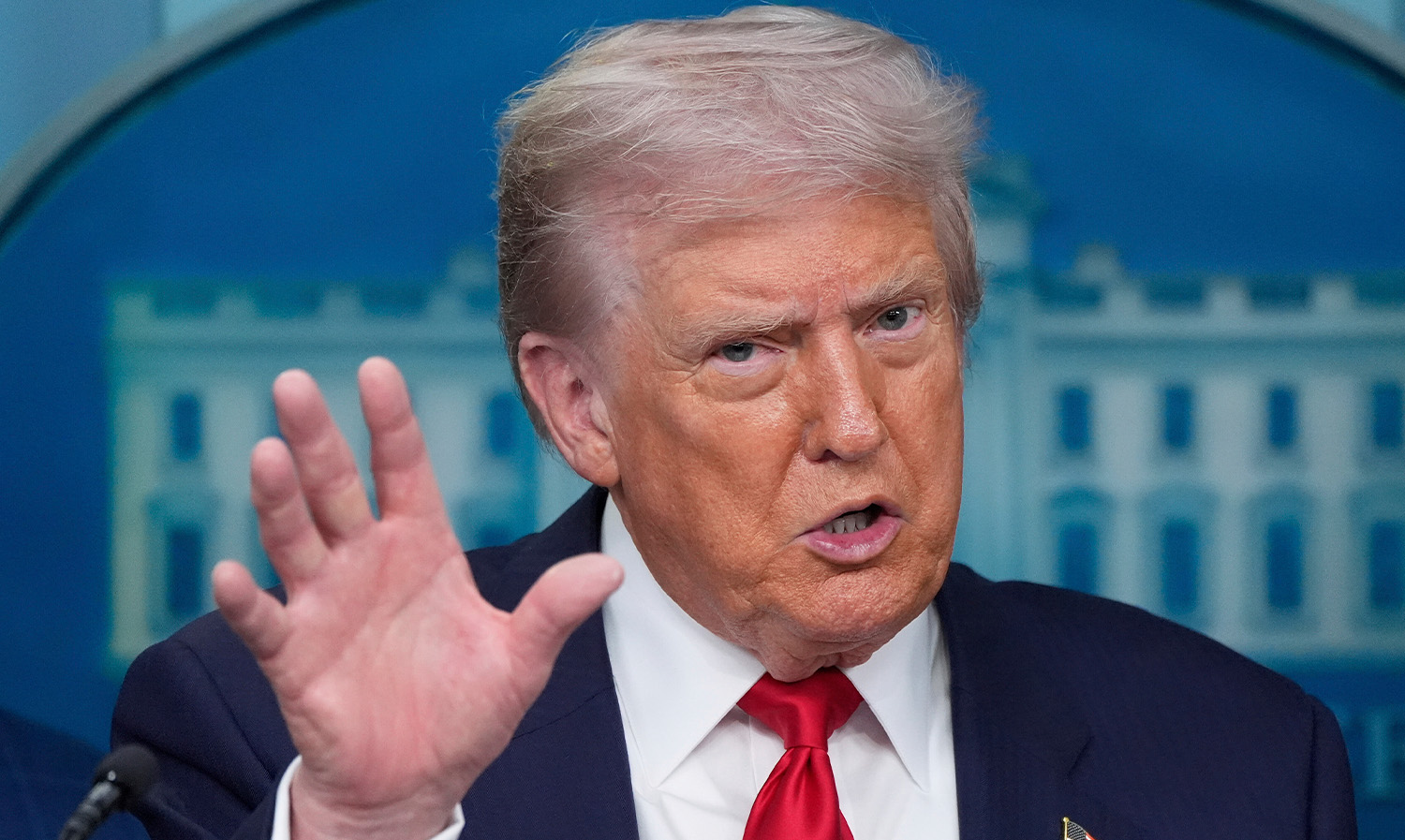

Former U.S. President Donald Trump has made headlines once again with a bold pledge: to slash prescription drug prices by an astonishing 1,500%. While the claim has generated buzz among his supporters and sparked debate across the political spectrum, the sheer scale of the number has left many experts, analysts, and everyday Americans questioning exactly what such a figure means, whether it is mathematically possible, and how it might be achieved in practice.
At face value, the promise is eye-catching. Drug prices have been a persistent source of frustration for millions of Americans, with rising costs affecting not only patients but also insurers, hospitals, and state budgets. The idea of slashing prices to a fraction of their current levels is appealing, particularly to those who struggle each month to afford critical medications. However, when the number in question exceeds the total cost of the product itself—something a “1,500% reduction” would imply—it inevitably raises questions about the accuracy and intent behind the statement.
To understand the feasibility of such a promise, it is important to look at the math. In basic terms, a reduction of 100% would make a product free. Going beyond that—let alone reaching 1,500%—doesn’t align with conventional pricing logic. A cut of 1,500% would suggest not only eliminating the cost entirely but also effectively paying consumers many times over for taking the drug, something that is not standard practice in any market, let alone the pharmaceutical industry.
This has led observers to believe that the figure may be more rhetorical than literal, intended to emphasize the severity of Trump’s dissatisfaction with current pricing structures rather than to serve as a mathematically precise policy proposal. Trump has a history of using hyperbolic language to capture attention and frame policy debates, and this statement appears to follow that pattern.
Still, beneath the overstated statistic is a genuine and persistent policy concern: the notably elevated expenses of prescription drugs in the United States in contrast to other advanced nations. The U.S. drug market is distinct as it permits manufacturers to largely determine prices, without the pricing limits enforced by governments in countries with single-payer systems or more rigorous price negotiation approaches. Consequently, certain medications are much pricier in the U.S. than in other countries, sparking public frustration and growing demands for change.
Trump’s previous record on drug pricing offers some insight into how he might approach the problem if given the opportunity. During his presidency, he pushed for a “most favored nation” rule, which would have tied U.S. drug prices to the lower prices paid by other wealthy nations. That proposal, however, faced intense pushback from the pharmaceutical industry and was ultimately blocked in court. He also signed executive orders intended to allow the importation of certain drugs from Canada, where prices are lower, though these initiatives faced logistical and legal hurdles that prevented them from being widely implemented.
The 1,500% figure, then, is best understood in the context of Trump’s broader political strategy. By making an extreme promise, he positions himself as a champion for consumers while casting his opponents—whether they be Democrats, industry executives, or bureaucrats—as defenders of an unjust system. The reality, however, is that any serious reduction in drug prices would require cooperation between Congress, regulatory agencies, and the pharmaceutical industry, as well as significant changes to patent law, pricing transparency rules, and Medicare’s negotiating power.
Economic experts warn that while aggressive price cuts could lower costs for patients in the short term, they could also have unintended consequences. The pharmaceutical industry often argues that high drug prices help fund research and development, enabling the creation of new treatments. A drastic reduction in revenue, they contend, could slow innovation and reduce the number of new drugs brought to market. Critics of this argument counter that much of the industry’s R&D budget is funded by taxpayers through grants and government-backed research programs, and that drug companies often spend more on marketing than on developing new treatments.
For patients, the stakes are tangible and immediate. Many Americans ration medications, skip doses, or go without treatment altogether because of high costs. In life-or-death cases—such as insulin for diabetics or chemotherapy drugs for cancer patients—unaffordable prices can have devastating consequences. The public’s frustration is not unfounded, and politicians of both parties have recognized the political potency of promising relief.
Trump’s recent declaration resonates with this discontent but omits many specifics. Which medications would be impacted by these substantial price decreases? Would the price reductions affect brand-name medications, generics, or both categories? How would the government implement these reductions within a predominantly private, market-oriented healthcare framework? Without addressing these queries, the pledge seems more like a headline-grabbing announcement than a solid policy proposal.
Here’s the text in English, following your guidelines:
The political equation is straightforward: the issue of drug costs resonates across party lines, providing a potent theme for electoral campaigns. However, implementing changes is significantly more challenging. Previous initiatives to reform the system have faltered due to the sway of pharmaceutical lobbyists, the intricacy of American healthcare regulations, and the worldwide characteristics of the drug supply chain. Any decisive action on pricing would probably encounter prolonged legal disputes and opposition in the political arena.
In the meantime, smaller, incremental reforms have shown some success. The Inflation Reduction Act passed under President Biden included measures to allow Medicare to negotiate the prices of certain high-cost drugs for the first time, as well as caps on insulin prices for seniors. While these changes are modest compared to Trump’s sweeping rhetoric, they represent tangible steps toward affordability.
Whether Trump’s 1,500% promise is remembered as a serious policy idea, a rhetorical flourish, or simply campaign theater will depend on how it is developed in the months ahead. For now, it stands as an example of how political language can blur the lines between ambition and reality—especially on issues as deeply personal and financially burdensome as the cost of medicine.
The core issue is that people in the United States spend much more on prescription medications than those in similar countries, and resolving this inequality will demand a comprehensive, ongoing strategy. Be it via negotiation, regulation, or overhauling the pharmaceutical industry, the aim to reduce expenses is a common objective. The difficulty is transitioning from ambitious commitments to practical, legally viable, and economically feasible remedies—something no government, whether Republican or Democrat, has completely succeeded in accomplishing.


