Our website use cookies to improve and personalize your experience and to display advertisements(if any). Our website may also include cookies from third parties like Google Adsense, Google Analytics, Youtube. By using the website, you consent to the use of cookies. We have updated our Privacy Policy. Please click on the button to check our Privacy Policy.

Month: June 2026

Properties for sale in Cap Cana

How Cap Cana real estate opportunities support both financial and residential objectives

The real estate market in Cap Cana remains favorable for those considering purchasing a property in the Dominican Republic. Its residential growth, the development of new services, and sustained interest from domestic and international buyers have made this destination a compelling option for investment, vacation homes, or permanent residences. Against this backdrop, properties for sale in Cap Cana stand out as an option associated with quality of life, appreciation potential, and tourist appeal.Inversiones AIDES highlights that interest in this area stems from a combination of factors linked to the development of the surrounding area, international demand, and the opportunity to…
Read More
Ghana: mining and agriculture CSR with transparency and sustainable community projects

Ghana mining and agriculture CSR: transparency frameworks for sustainable community development

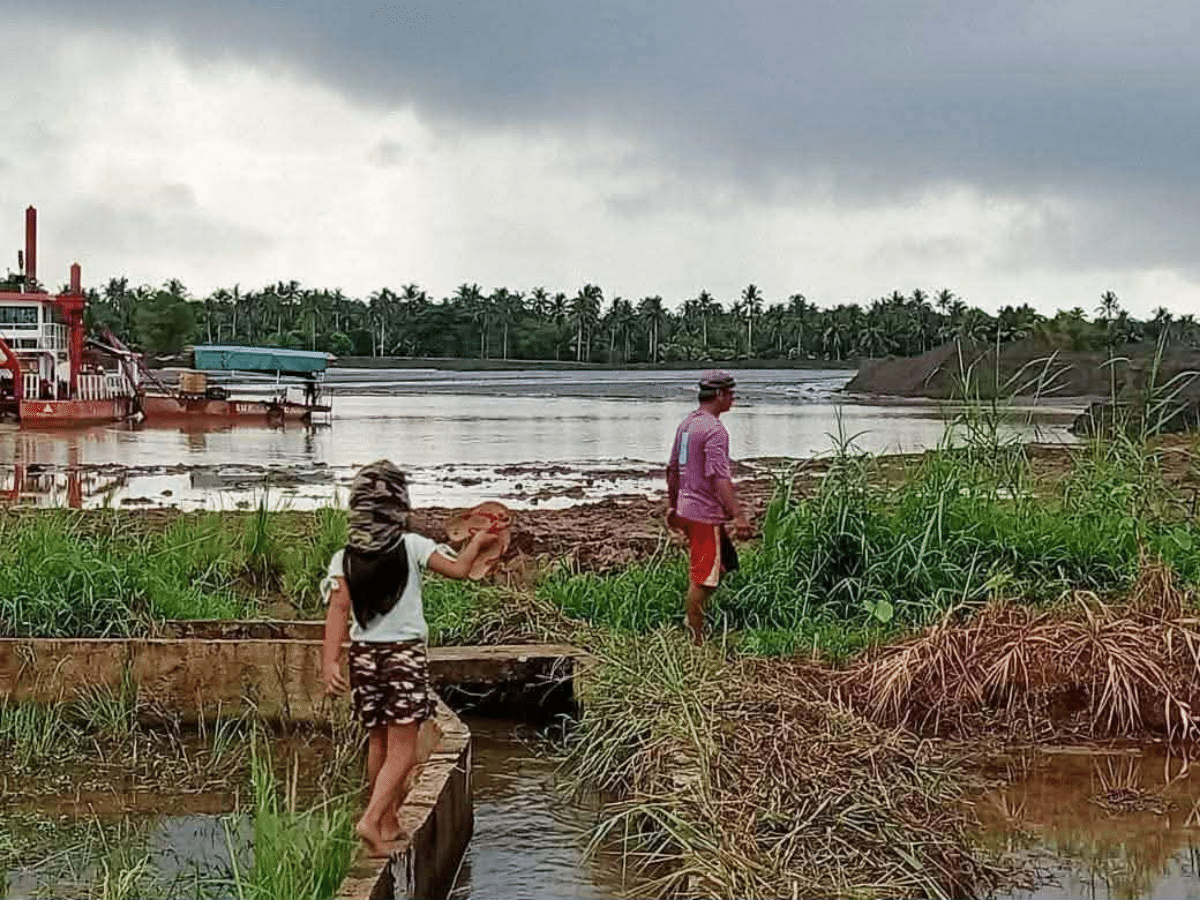
Ghana's economy is anchored by two interlinked sectors: mining and agriculture. Mining — led by gold, manganese, bauxite and industrial minerals — is a major provider of export earnings and government revenue. Agriculture, dominated by cocoa, staples and smallholder production systems, supports livelihoods for a large share of the population and supplies global commodity chains. Both sectors create wealth and stress ecosystems and communities. Corporate social responsibility (CSR) and transparency therefore matter not as optional extras but as essential tools to manage environmental risk, protect human rights, and deliver durable community benefits.Primary CSR obstacles confronting Ghana's mining industryGhanaian mining contends…
Read More
Why is synthetic biology expanding beyond pharmaceuticals into materials?

Market demand for sustainable alternatives fueling synthetic biology expansion

Synthetic biology initially rose to prominence through its role in pharmaceuticals, where modified microbes were harnessed to generate insulin, vaccines, and intricate biologic therapies. Over the last decade, the same foundational strengths—accurate genetic engineering, scalable fermentation processes, and data-guided refinement—have evolved and become affordable enough to tackle challenges well outside the medical sphere. Consequently, synthetic biology is now moving swiftly into materials science, reaching into fields like textiles, construction, packaging, and electronics.This expansion is driven by a convergence of technological readiness, market demand for sustainability, and limitations of traditional material manufacturing.Technological Enablers Behind the ExpansionSeveral technical advances have lowered the…
Read More
Angola: CSR cases improving safe water access and preventive health in rural areas

Safe water and preventive health: CSR solutions for Angola’s rural provinces

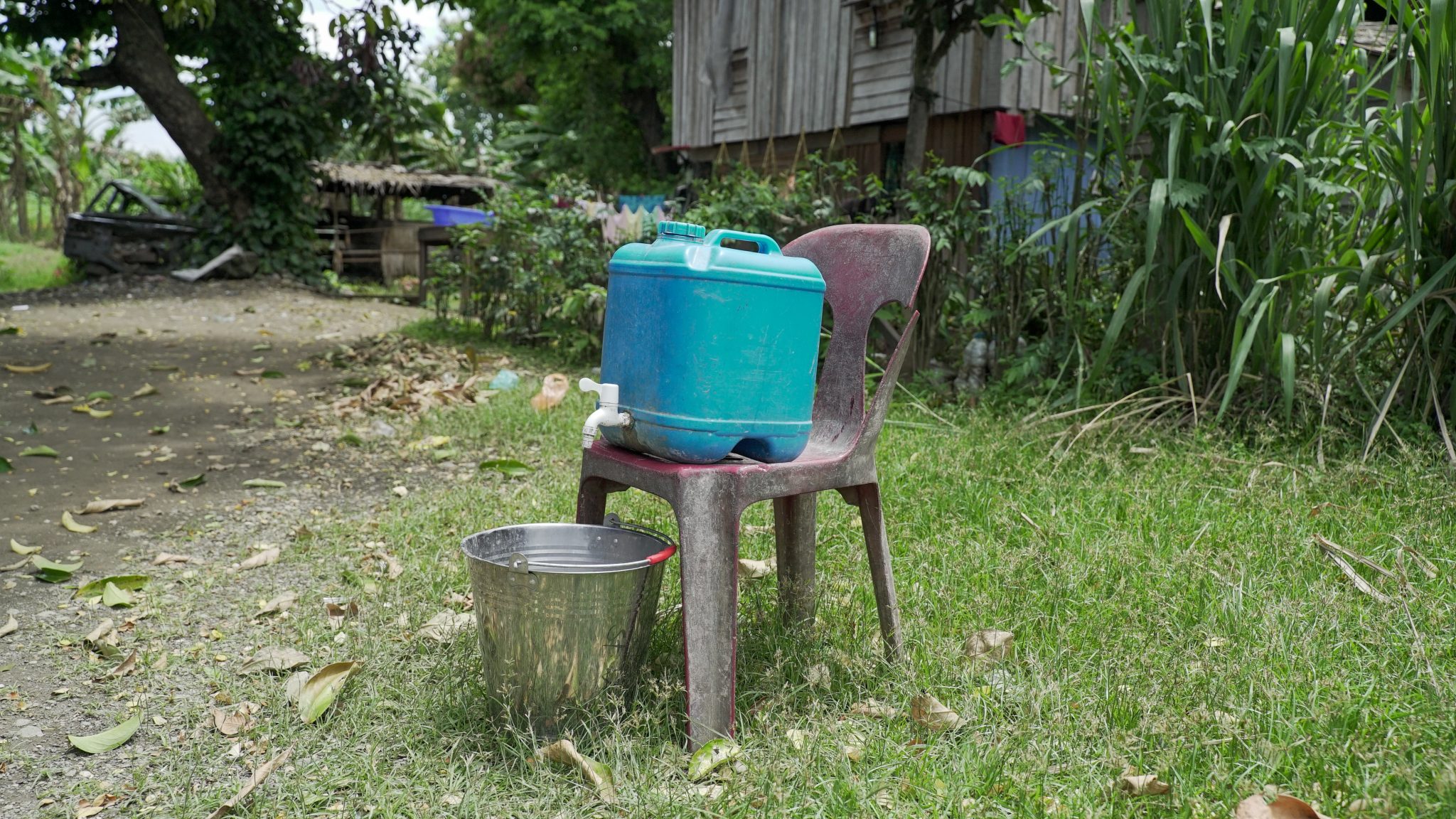
Angola’s post-conflict development trajectory has improved macroeconomic indicators, but rural communities still face persistent deficits in safe water and preventive health services. Private-sector actors — particularly oil and gas firms, mining companies, and international corporations operating in Angola — have implemented Corporate Social Responsibility (CSR) programs that target water, sanitation, hygiene (WASH) and preventive health. These interventions often complement government and donor efforts and can generate durable gains when they are community-led, technically sound, and coordinated with public systems.Background and RequirementsDemographics and access gaps: Angola’s population is roughly in the mid-thirties of millions, with a substantial rural population concentrated in…
Read More
man and woman lying on rug near christmas tree

Tom Ford’s transformative impact on Gucci and the luxury fashion industry

Tom Ford’s influence on the fashion world stands as genuinely transformative, with his body of work—most notably his period at Gucci and the ventures that followed—frequently recognized as a defining standard for contemporary luxury, inventive design, and the revival of global brands; understanding what distinguishes Ford demands a layered analysis that moves through creative leadership, brand shaping, commercial significance, and lasting cultural impact.The Pre-Ford Gucci: A Brand in CrisisBefore Tom Ford’s arrival in 1990, Gucci was mired in internal conflict, fading creative direction, and worsening finances. The brand, once a hallmark of elite Italian sophistication, had splintered and struggled to…
Read More
Back to the Future: Designer Debuts at Givenchy and Tom Ford

The enduring grace of Hubert de Givenchy’s fashion narrative

Hubert de Givenchy, the legendary French couturier, is widely regarded as one of the twentieth century’s defining fashion visionaries, his creative philosophy and distinctive design approach shaping the ideals of luxury, refinement, and poise that characterize haute couture. To grasp the essence of Givenchy’s stylistic legacy, one must delve into the richer narrative threaded through his body of work, his public image, and his lasting cultural influence.Elegance Without Excess: The Art of Refined SimplicityGivenchy’s style is synonymous with understated elegance. Unlike other designers who indulged in ornamentation, Givenchy championed refined minimalism. His vision was not driven by flamboyance but by…
Read More
Albania: CSR examples supporting sustainable tourism and cultural heritage protection

strategies for integrating CSR into Albania’s sustainable tourism development

Albania is a country with rich archaeological sites, diverse natural landscapes and rapidly growing visitor numbers. Sustainable tourism and cultural heritage protection are central to long-term economic development, local livelihoods and national identity. Corporate social responsibility (CSR), when coordinated with public policy and civil society, can accelerate conservation, improve visitor management and distribute tourism benefits to communities.Why CSR matters for sustainable tourism and heritage protectionResource and capacity gaps: Numerous heritage locations and safeguarded coastal zones often operate with limited public budgets for preservation, visitor facilities, and management frameworks, and these shortfalls can be addressed through private investment and specialized knowledge.Market…
Read More
How are AI and protein folding tools accelerating drug discovery?

understanding protein structures with AI to improve drug efficacy

Drug discovery has traditionally been a slow, expensive, and high-risk process, often taking more than a decade and billions of dollars to bring a single therapy to market. Recent advances in artificial intelligence and protein folding tools are reshaping this landscape by dramatically improving how scientists understand biological targets, design drug candidates, and predict outcomes. Together, these technologies are compressing timelines, lowering costs, and opening therapeutic opportunities that were previously out of reach.The Central Role of Protein Structure in Drug DiscoveryMost drugs work by binding to proteins and altering their activity. To design effective molecules, researchers need to understand a…
Read More
How do companies quantify reputational risk in valuation models?

Quantifying intangible assets: a guide to measuring reputational risk

Reputational risk describes the possible decline in a company’s value that arises when stakeholders’ views worsen in response to actual or perceived situations, such as ethical lapses, regulatory violations, faulty products, data protection issues, or environmental damage, and because reputation shapes customer confidence, pricing leverage, talent retention, and the ability to secure capital, it has become a significant element in assessing corporate worth.Contemporary valuation frameworks increasingly seek to measure reputational risk rather than regard it as merely a qualitative issue, and although reputation is intangible, its financial impacts can be detected, assessed, and often prove enduring.Why It Is Essential to…
Read More
Côte d’Ivoire: cocoa CSR with traceability and better incomes for growers

The role of CSR in addressing structural challenges in the Ivorian cocoa industry

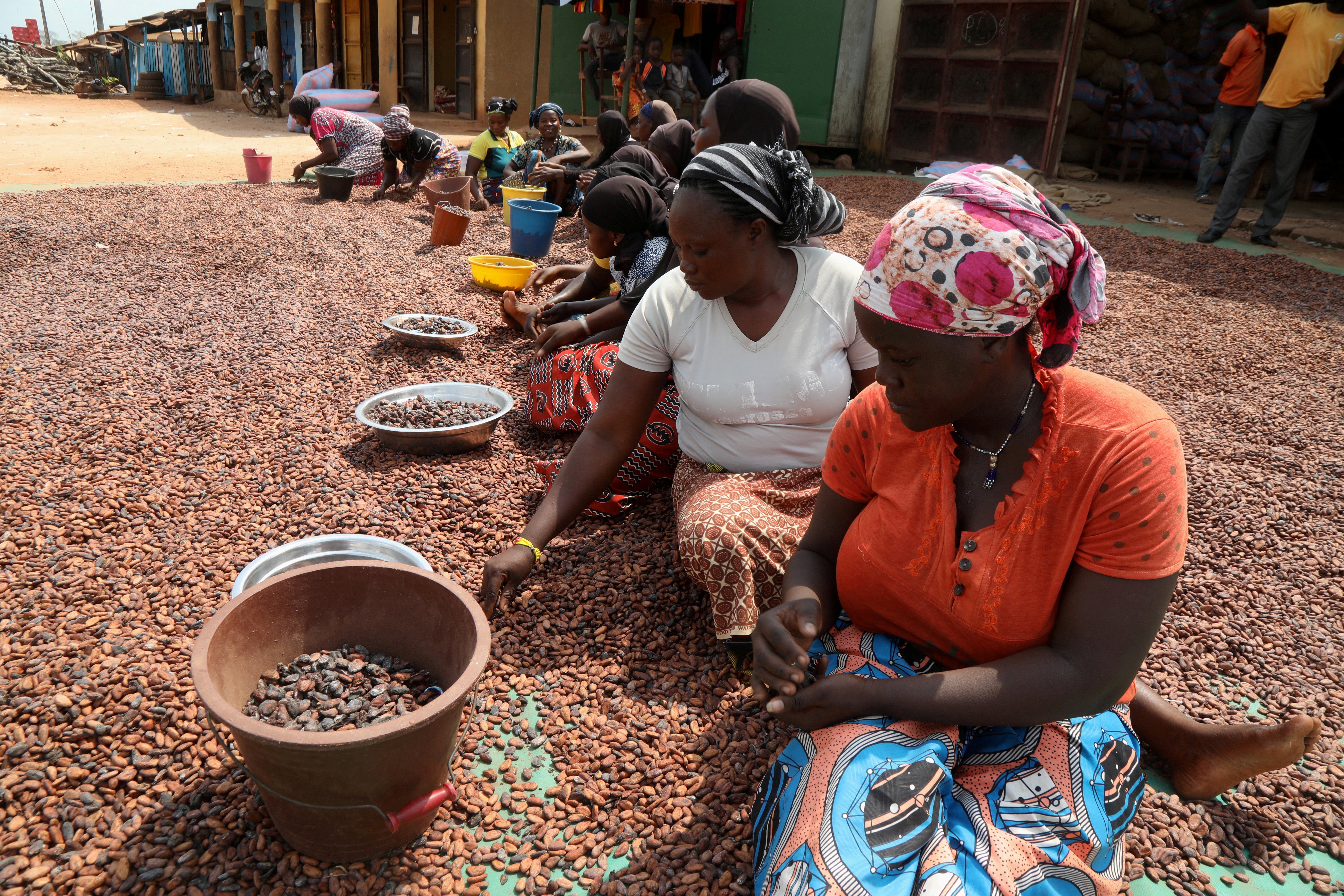
Ivory Coast accounts for roughly 40% of global cocoa supply, producing around 2 million metric tons in recent seasons. Cocoa is central to the country’s export earnings and to the livelihoods of millions of smallholder families. At the same time, the sector faces structural challenges: low farmer incomes, persistent child labor, aging trees and low productivity, deforestation, and fragmented supply chains. Corporate social responsibility (CSR) efforts combined with modern traceability systems are increasingly positioned as the levers that can align industry profit with social and environmental outcomes.The CSR landscape: policy, private sector commitments, and challengesCSR efforts in Ivory Coast are…
Read More