

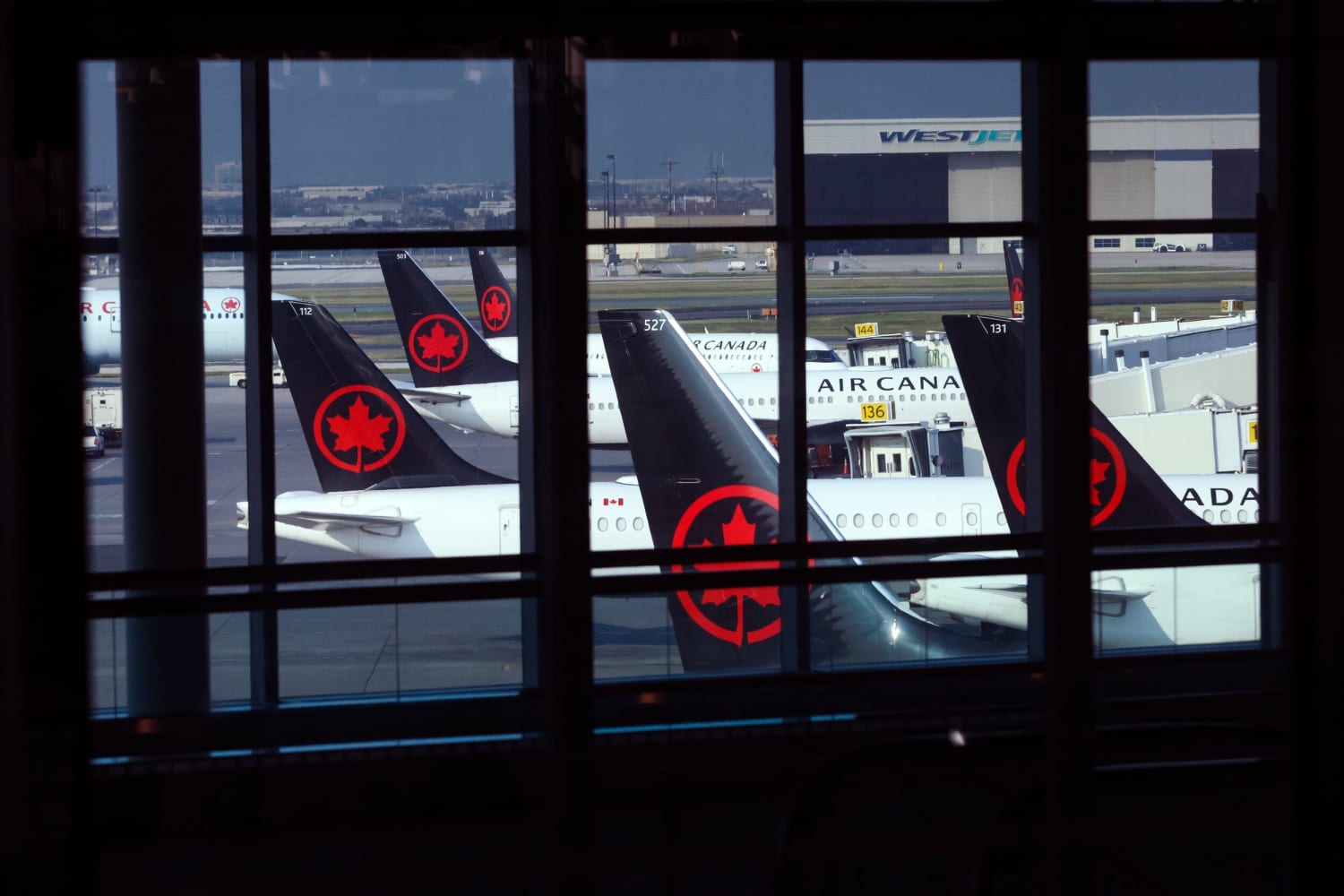

Air Canada has reached an agreement with its unionized workforce, bringing an end to the uncertainty that surrounded its recent labor dispute and setting the stage for flight operations to return to normal. The resolution follows weeks of negotiations that had disrupted schedules and raised concerns for both travelers and the broader aviation sector in Canada.
The deal, which was struck after extensive discussions between the airline and union representatives, addresses key issues that had been at the heart of the dispute, including compensation, working conditions, and scheduling. Both parties have confirmed that the agreement provides stability for employees while enabling the airline to continue focusing on customer service and operational efficiency.
For passengers, the announcement comes as a relief after a period of delays, cancellations, and rebookings that affected thousands of travelers across domestic and international routes. Air Canada is now preparing to phase in a return to regular scheduling, a process that will take several days as crews and aircraft are repositioned to meet demand. The company has indicated that restoring passenger confidence is one of its top priorities in the wake of the disruption.
Union leaders highlighted that the agreement marks a fair compromise, ensuring that workers’ concerns over wages and workload were addressed. They noted that the resolution reflects recognition of the critical role that flight attendants, ground staff, and other airline employees play in maintaining safety and service standards. The settlement is expected to improve job security and offer long-term benefits for workers while maintaining the competitiveness of the airline in a challenging market.
The dispute had drawn attention not only because of its direct impact on travelers, but also due to its broader implications for the aviation industry. Labor relations in the airline sector are closely watched, as they often influence standards across the industry and set precedents for future negotiations. With this agreement, Air Canada demonstrates that cooperative dialogue can prevent extended disruptions and ensure that the needs of employees and passengers are balanced.
Industry analysts have pointed out that the timing of the resolution is critical. As global travel demand continues to rise, particularly during peak seasons, ensuring operational continuity is essential for airlines that are still navigating post-pandemic recovery. For Air Canada, resuming flights smoothly will be vital in retaining customer loyalty and reinforcing its reputation as the country’s largest carrier.
Travel agencies and airport authorities have welcomed the news, noting that the uncertainty had been affecting tourism and business travel alike. The restoration of full flight schedules is expected to benefit not only passengers but also local economies that rely heavily on air connectivity. Hotels, restaurants, and service providers that depend on the steady flow of travelers are likely to see positive effects as Air Canada’s operations return to normal.
Government officials have also expressed approval of the agreement, emphasizing the importance of maintaining stable labor relations in sectors that are critical to national infrastructure. The resolution is viewed as a model for collaborative problem-solving in industries where disruptions can have widespread ripple effects.
Looking ahead, both Air Canada and its union partners have signaled a commitment to strengthening communication channels and fostering trust to avoid similar disputes in the future. With the new agreement in place, attention now shifts toward rebuilding momentum, improving service reliability, and addressing the long-term challenges facing the airline industry, from rising fuel costs to environmental sustainability goals.
For travelers, the immediate impact is clear: the resumption of flights will bring predictability back to travel plans, offering reassurance at a time when air travel remains an essential link for families, businesses, and international connections. For employees, the deal provides stability and recognition of their contributions, strengthening morale after a period of uncertainty.
Air Canada’s agreement with its union marks not only the end of a dispute but also the beginning of a renewed effort to balance operational demands with employee well-being. The airline now has an opportunity to rebuild trust, enhance service, and reaffirm its position as a leader in the North American aviation industry.


