

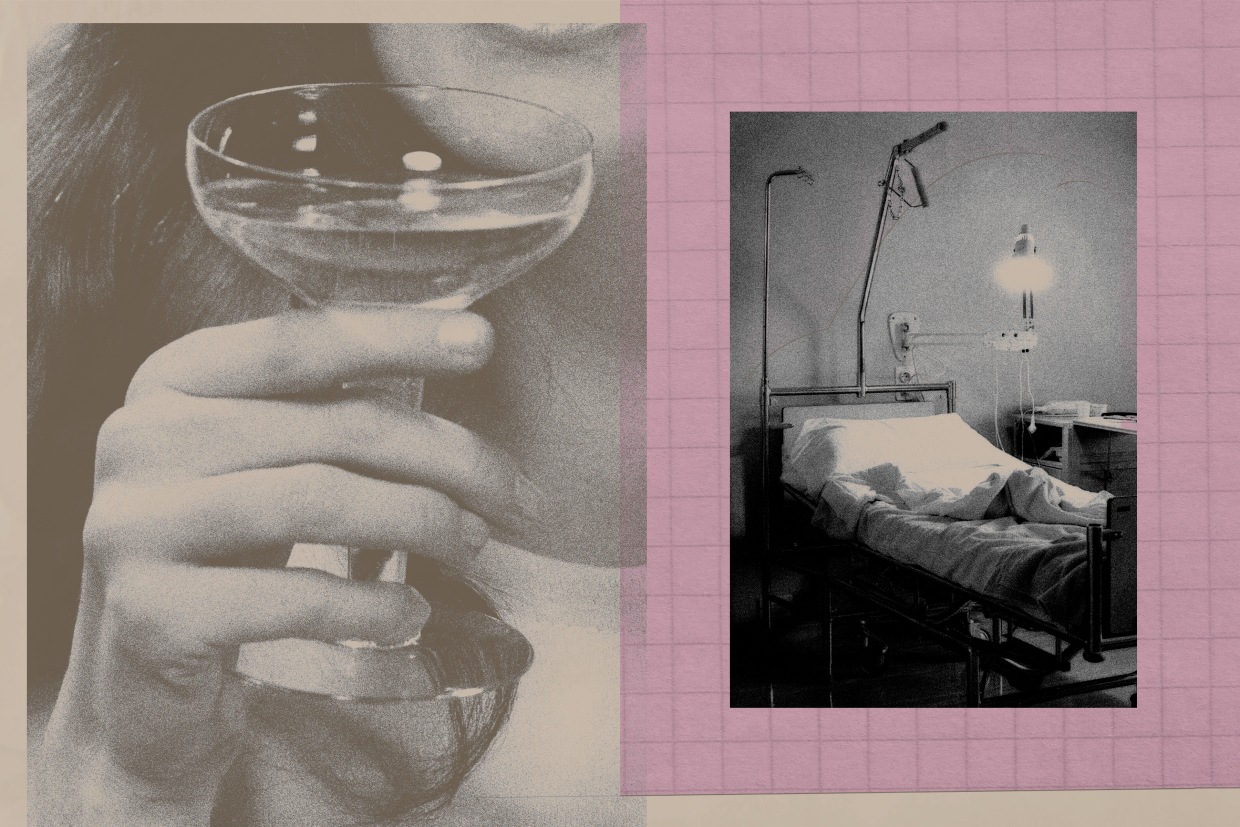

Across the United States, alcohol use among women has increased significantly in recent years, prompting growing concern over the health implications. Once generally consuming less than men, women’s drinking habits have not only caught up in frequency, but also pose greater biological risks—even at lower levels of intake. This trend is especially notable among women in their 30s and 40s, who have increased binge drinking and reported more symptoms of alcohol use disorders than previous generations.
Several forces appear to be driving this rise. Social norms have shifted—women are more likely to delay marriage and parenthood, pursue higher education, and enter careers that offer greater income and independence. These changes, paired with targeted marketing by alcohol brands, have fostered a culture where drinking is increasingly accepted as part of modern female identity. Stress and mental health pressures, particularly during and after the COVID‑19 pandemic, have also driven many women to use alcohol as a coping mechanism.
While women generally drink less alcohol compared to men, their bodies handle alcohol in distinct ways. Women usually possess less water content and their alcohol metabolism is not as effective, leading to increased blood alcohol levels with similar consumption. This physiological difference renders women more susceptible to harm, even with moderate intake, hastening the decline of physical and mental well-being.
Health consequences tied to increased alcohol intake by women are distressing and varied. Liver disease is among the most alarming outcomes; women develop complications like alcoholic hepatitis or cirrhosis faster and with less alcohol exposure than men. Heart conditions—including hypertension and alcohol-induced cardiomyopathy—also appear more rapidly. Cognitive impairments are another concern, as women show signs of brain shrinkage and memory decline more quickly when they drink heavily. Emergency department visits related to alcohol have risen sharply among women over the past decades, surpassing the growth rate seen in men.
Cancer risk is a significant topic in this discussion. Alcohol is recognized as a carcinogenic substance, and habitual consumption—even just one drink daily—increases a woman’s likelihood of getting breast cancer by around 10%. This danger grows with increased alcohol intake. Additionally, other cancers influenced by hormones could worsen due to impacts on estrogen and cellular harm, raising more public health concerns.
Women who drink heavily face a higher likelihood of suffering reproductive complications such as menstrual irregularities, infertility, premature menopause, and miscarriage. Pregnant women who consume alcohol risk affecting fetal development in severe ways, leading to disorders like fetal alcohol spectrum disorders (FASD), as well as higher chances of stillbirth, preterm birth, and developmental delays.
Mental well-being is another area significantly affected by alcohol use. Women who abuse alcohol have a higher chance of encountering anxiety, depression, and self-harming behaviors. Changes in mood linked to alcohol, disrupted sleep, and emotional imbalance frequently generate a cycle—making additional drinking more probable as a way to cope with stress or trauma. The negative perceptions linked to women with addiction can also make pursuing treatment more difficult for them, even as they confront distinct social criticisms.
Data shows that alcohol-related deaths among women have risen dramatically in recent decades. Mortality rates linked to alcohol nearly doubled between 1999 and 2020, with especially steep increases among younger women in their late 20s and early 30s. Midwestern states in the U.S. have seen especially sharp spikes. In many communities, the rate of fatal liver disease, cardiovascular events, and alcohol poisoning deaths among women is outpacing that of men in percentage growth.
Parte de este incremento refleja lo que los investigadores denominan el “efecto telescópico”: las mujeres avanzan más rápidamente desde el inicio del consumo hasta la dependencia y las complicaciones de salud en comparación con los hombres. Este fenómeno, junto con factores sociales como el estrés, la publicidad y el consumo habitual de alcohol, genera una trayectoria peligrosa.
Even though there are dangers, many women are not well-informed about guidelines for safe alcohol consumption. In the United States, public health guidelines advise that women should not drink more than one standard alcoholic beverage each day or a total of seven drinks a week. Exceeding this limit, even once in a while, can have significant health effects, particularly for women with certain health issues or predispositions.
To tackle the trend, a comprehensive strategy is needed. Medical experts highlight the necessity of early detection and assistance within primary healthcare. Short interventions in medical environments have proven effective in helping people decrease their alcohol intake. Enhanced public education initiatives might aid in conveying the unique effects of alcohol on women, and how even moderate drinking can increase the likelihood of breast cancer, liver issues, and mental health problems.
Policies that advocate for prevention are crucial as well. Improving availability of mental health care, diminishing the stigma associated with addiction therapies, and encouraging non-alcoholic methods for handling stress can lessen destructive actions. Programs rooted in the community and treatment facilities sensitive to gender may assist women in navigating their recovery journey more successfully.
Additionally, controlling alcohol advertising—specifically those campaigns aimed at women with themes linked to empowerment or lifestyle—may decrease exposure to advertisements that make heavy drinking seem normal. Promoting social environments and marketing to provide non-alcoholic choices can alter perceptions regarding leisure and festivities.
Equally important is embedding alcohol education within broader conversations about women’s health. Highlighting the risks linked to even light-to-moderate drinking—such as increased cancer risk or early cognitive decline—can help women make more informed choices. Healthcare providers can play a role by integrating conversations about alcohol into routine checkups and reproductive health visits.
Looking ahead, the increasing acceptance of excessive alcohol consumption among women continues to be an expanding public health issue. As the number of women who consume alcohol frequently or in large quantities rises, there is a potential rise in the load on healthcare systems and families—unless effective actions are implemented. Preventive measures, raising societal consciousness, and providing easily accessible support services are crucial in changing this trend.
Ultimately, understanding how women absorb alcohol differently, and how social patterns intersect with biology, should guide efforts to curb rising consumption. Acknowledging that alcohol poses unique risks for women—even at lower levels—is important for building public health responses that offer gender-specific solutions.
As research continues to shine light on this trend, the urgency becomes clear: women’s rising alcohol use is more than just shifting demographics; it is emerging as a major health concern that requires awareness, compassion, and decisive action.


