

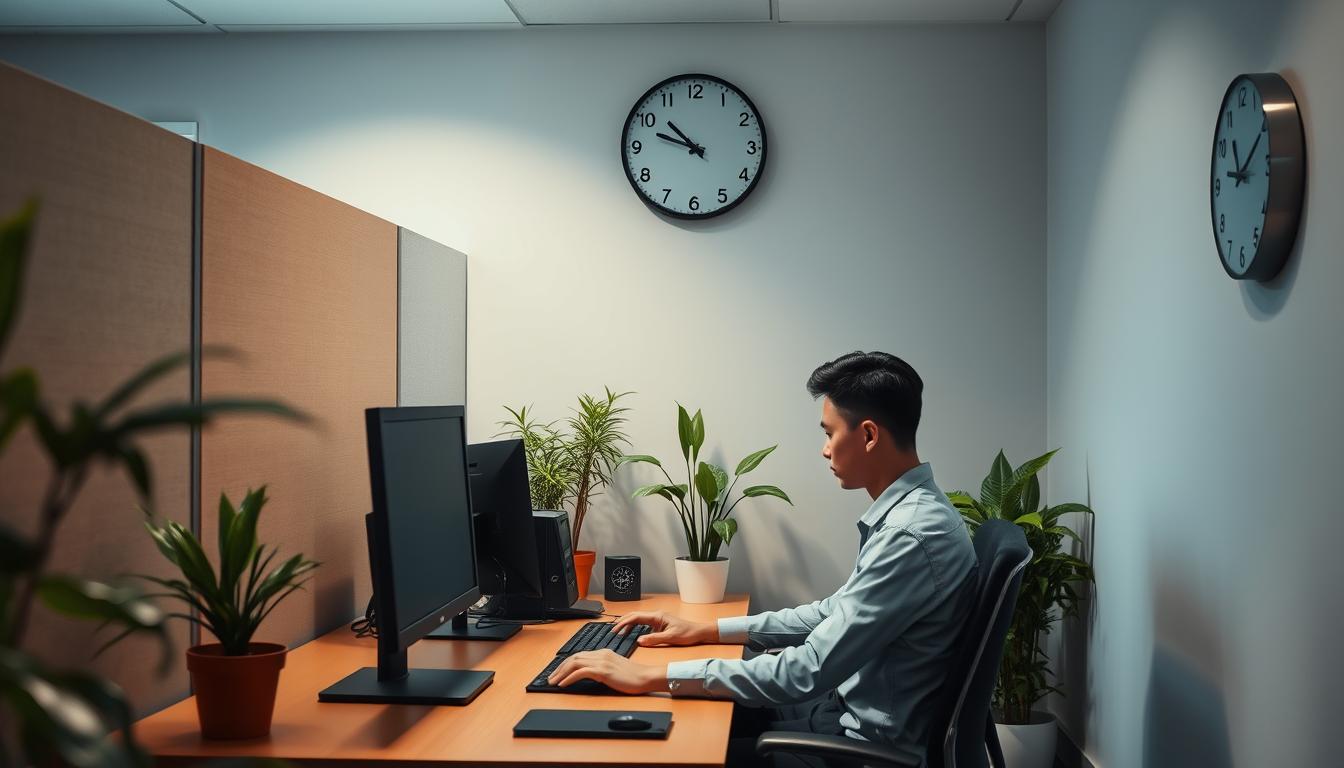

Corporate America is currently experiencing a notable transformation in how workplaces are managed, with companies intensifying their focus on tracking and enforcing attendance in the office. Recent information indicates that organizations are overseeing employee attendance more diligently than they have since 2019, signifying a stark contrast to the flexible remote work arrangements that were prevalent during the pandemic period.
This resurgence of office attendance tracking reflects a broader corporate push to normalize in-person work arrangements. Companies across various industries are implementing sophisticated monitoring systems that go beyond traditional badge swipes, including:
- Wi-Fi connection logging
- Desk occupancy sensors
- Computer activity monitoring
- Camera-based workspace analytics
Human resources experts note this trend stems from multiple factors. Many executives believe in-person collaboration drives innovation and company culture, while some organizations seek to justify expensive real estate investments. The tight labor market has also given employers more leverage to demand office attendance without significant pushback from employees.
Technology adoption for workplace monitoring has surged, with 63% of midsize to large companies now using digital tools to track attendance patterns, according to recent surveys. This represents a 22% increase from 2022 levels. The most aggressive monitoring occurs in financial services and technology sectors, where some firms have begun tying attendance metrics to performance reviews and compensation decisions.
The responses from employees to these monitoring practices are varied. Some employees value the consistency of designated office days, while others see the in-depth oversight as a breach of trust and independence. Advocates for privacy have expressed worries about the vast amounts of data collected with these systems, especially in terms of how companies handle and keep sensitive information about employee locations.
The shift back to office-based work has undergone multiple stages since pandemic constraints were relaxed. Initially, numerous businesses adopted optional or mixed work models, but an increasing number are currently insisting on three to five days in the office each week with rigorous adherence. Certain firms have taken further measures, issuing internal attendance reports and obligating managers to record any deviations.
Commercial real estate analysts suggest these policies are beginning to impact urban centers that struggled with reduced foot traffic. Midweek office occupancy rates in major cities have climbed to 60-75% of pre-pandemic levels, though Fridays remain consistently low. This partial recovery has provided some relief to downtown businesses that depend on office worker spending.
Legal professionals warn that tracking attendance should align with changing workplace privacy legislation. Some states have recently enacted laws demanding openness about how employees are monitored, and European data protection rules enforce stringent restrictions on gathering personal information. Businesses working in different areas encounter growing challenges in applying uniform monitoring practices.
The long-term effectiveness of strict attendance mandates remains uncertain. Early research suggests mixed impacts on productivity, with some studies showing modest gains in collaborative work but losses in individual focused tasks. Employee retention effects also vary by industry, with knowledge workers demonstrating greater resistance to rigid office requirements than other sectors.
As organizations refine their workplace strategies, many are experimenting with alternative approaches that balance structure with flexibility. Some forward-thinking companies are redesigning office spaces to maximize the value of in-person time while preserving remote work benefits. Others are developing more nuanced attendance metrics that emphasize outcomes rather than mere presence.
This corporate emphasis on physical attendance represents a pivotal moment in the evolution of work culture. The coming years will reveal whether strict monitoring proves to be a temporary correction or a permanent feature of the post-pandemic workplace. What remains clear is that the debate over where and how work gets done continues to shape employer-employee relationships across industries.
For employees facing these shifts, job attorneys advise thoroughly examining organizational policies and recognizing individual rights concerning monitoring in the workplace. With attendance requirements progressively changing, both managers and staff will have to adjust to this novel period of increased office supervision and its effects on balancing work and personal life, assessing productivity, and the corporate environment.
The present trend in monitoring raises more profound inquiries about the nature of work in contemporary economies. Although technology provides unmatched flexibility, various organizations seem keen on maintaining conventional workplace frameworks. The resolution of this conflict will have enduring impacts on numerous areas, including urban planning, employee welfare, and the future of work cultures centered around offices.


