

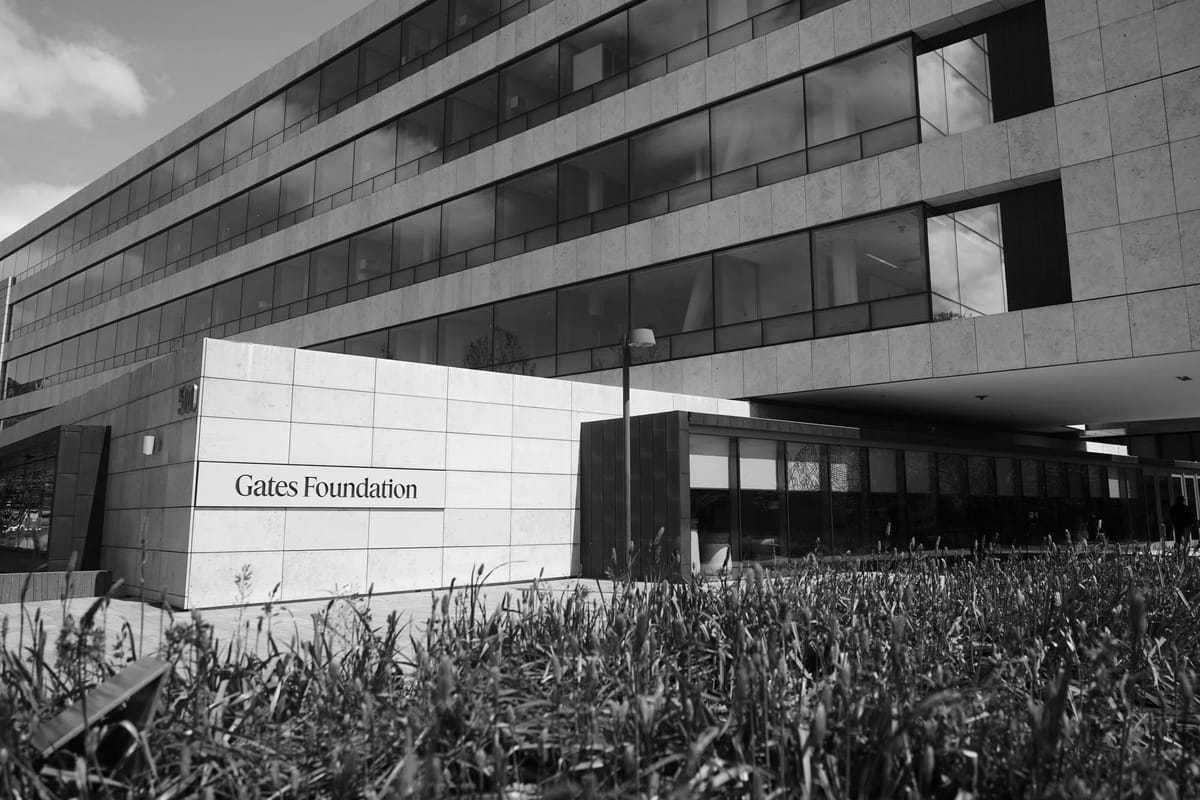

The Bill & Melinda Gates Foundation has revealed a major pledge of $2.5 billion intended to enhance women’s health on a global scale — a decision aimed at rectifying years of inadequate funding and disregard in essential areas for women’s welfare. This declaration signifies one of the foundation’s largest financial commitments so far to healthcare centered on gender, highlighting the pressing necessity for fairness, availability, and advancement in worldwide health structures.
The financial support, which will be distributed throughout the upcoming ten years, focuses on aspects of women’s health that have traditionally been underrepresented in worldwide medical research and development. These cover maternal care, family planning, reproductive rights, availability of contraceptives, and initiatives aimed at decreasing diseases that can be prevented and disproportionately impact women and girls in countries with low to middle income levels.
According to the foundation, the health needs of women and girls are often sidelined due to systemic bias in research, funding allocations, and healthcare delivery models. The $2.5 billion investment seeks to bridge this gap by supporting both scientific discovery and practical solutions that directly benefit underserved female populations.
Melinda French Gates, co-president of the foundation and a long-standing supporter of women’s rights, highlighted that enhancing women’s health is both an ethical obligation and a wise investment for overall progress. “Healthy women contribute to the prosperity of families and communities,” she stated in a message related to the announcement. “However, the globe has neglected to invest adequately in the health of half of its people for far too long.”
A large share of the financing will be allocated to creating new contraceptive methods that are budget-friendly, available, and designed to meet the specific demands of women across various locations. This entails backing for future contraceptives that are more durable, cause fewer adverse effects, and include delivery mechanisms that women can administer themselves or utilize privately — essential aspects in regions where women encounter social or logistical challenges in accessing reproductive health services.
Another major component of the initiative focuses on maternal health — especially preventing death during pregnancy and childbirth, which remains a leading cause of mortality for women in many parts of the world. The foundation plans to invest in improved diagnostics, treatments for postpartum hemorrhage, and access to skilled care providers in regions where maternal outcomes lag far behind global standards.
Beyond health services, the Gates Foundation’s strategy includes funding education and advocacy programs to ensure that women and girls are empowered with knowledge about their bodies and their rights. By supporting community health workers, grassroots organizations, and digital platforms, the foundation aims to amplify local voices and ensure that solutions are culturally relevant and sustainable.
This latest announcement builds on two decades of the Gates Foundation’s work in global health, during which it has funded vaccines, HIV treatment, and malaria prevention programs. However, this new focus underscores a more targeted and long-term approach to addressing gender disparities in health — one that acknowledges the unique challenges women face throughout their lives, from adolescence through aging.
The commitment arrives at a time when women’s healthcare access remains uneven across the globe. In some countries, legal restrictions, cultural norms, and lack of infrastructure severely limit women’s ability to receive even basic services. In others, gender-based violence and discrimination continue to undermine public health efforts.
Based on information from the World Health Organization, countless women continue to face barriers in obtaining necessary reproductive and maternal healthcare, leading to avoidable fatalities and chronic health issues. The Gates Foundation aims to spark lasting transformation by investing continuously and emphasizing innovative solutions.
Importantly, the foundation urges other charitable organizations, governments, and private-sector leaders to do the same. Their aim is not just to finance individual projects but to realign global health priorities with a focus on women and girls at the core. Cooperation and data exchange will be essential for the success of the initiative, as well as frameworks for responsibility and tracking measurable results over time.
Industry experts have praised the scale and focus of the initiative. Advocates for women’s health note that while funding for issues like maternal care and family planning has increased in some areas, the overall investment remains disproportionately low compared to other areas of healthcare. The Gates Foundation’s pledge may help draw attention to this imbalance and push more stakeholders to rethink their allocations.
The foundation also plans to support policy reform and global advocacy campaigns that aim to eliminate legal and systemic barriers preventing women from accessing care. By aligning health funding with broader efforts to promote gender equality, the initiative could influence how development funds are distributed and how global partnerships are formed in the years ahead.
Additionally, the program will allocate funds to research focusing on how illnesses and medical therapies affect women distinctly. For many years, females have been inadequately represented in clinical studies, leading to medicines and therapies that are less efficient or potentially detrimental to female patients. Bridging this research gap is vital for developing fairer and more effective healthcare systems.
As the Gates Foundation rolls out its multi-year plan, it is expected to partner with local governments, NGOs, research institutions, and private companies that share its vision for advancing women’s health. These collaborations will aim to deliver concrete benefits at the community level, where access to healthcare often remains most constrained.
In presenting this initiative as a challenge that is both economic and related to health, the foundation aims to emphasize the interlinked aspects of progress. Women in better health are able to engage more comprehensively in education, employment, and community activities, creating positive effects that spread through families, economies, and countries.
With this $2.5 billion commitment, the Gates Foundation is not only injecting critical resources into underfunded health initiatives but also helping reshape the conversation around what equitable global health should look like. If successful, the initiative could become a model for how philanthropy can work alongside policy and science to build a more inclusive future.


