

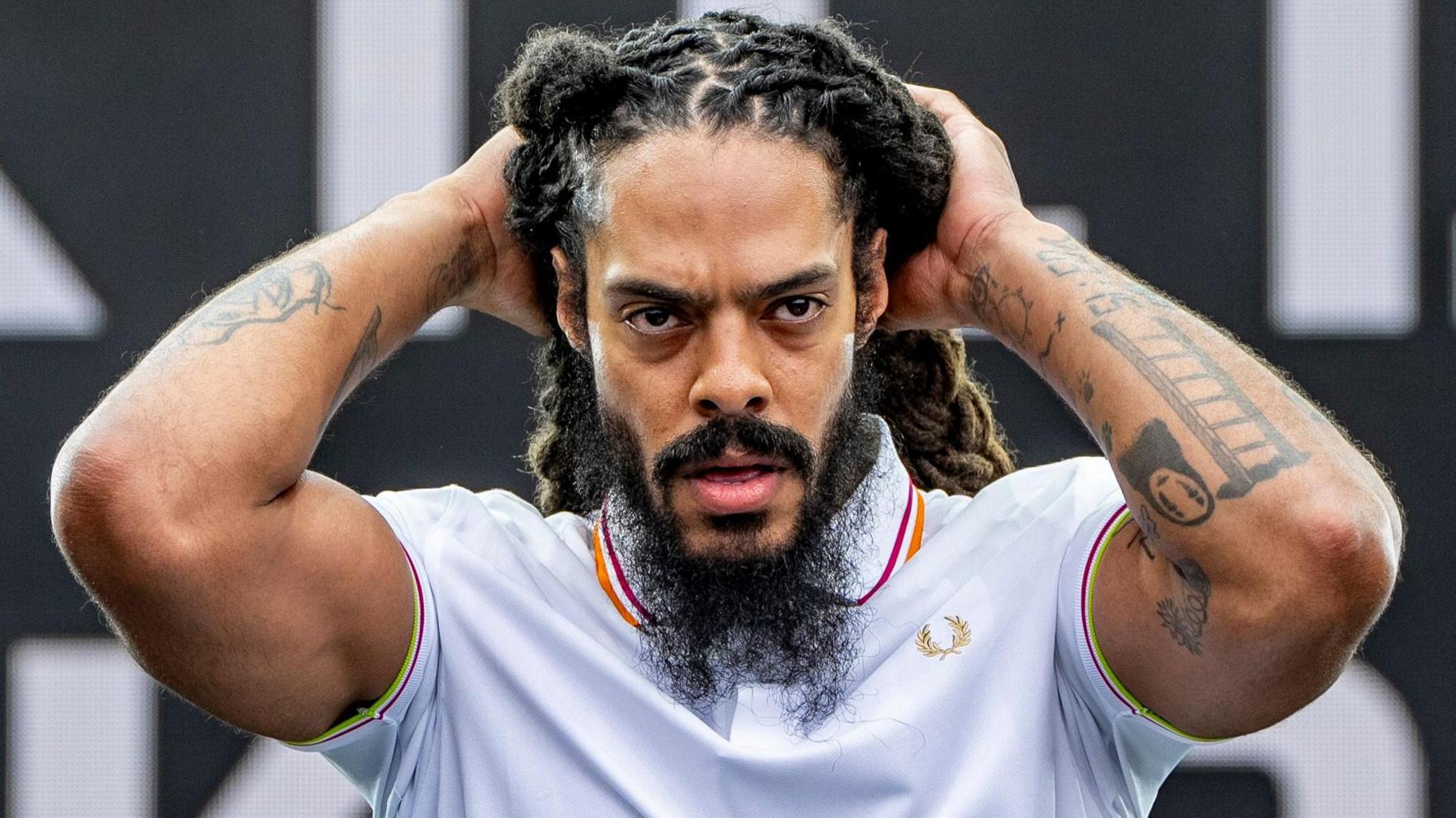

The Manchester music scene was recently stirred by the unexpected removal of punk and grime duo Bob Vylan from the lineup of an upcoming festival, sparking widespread discussion among fans, artists, and event organizers. Known for their raw sound and politically charged lyrics, the London-based band’s exclusion has raised questions about artistic freedom, censorship, and the challenges of balancing creative expression with public sensitivity in today’s cultural landscape.
Bob Vylan, celebrated for their fusion of punk rock, grime, and hip-hop influences, has built a loyal following by addressing issues such as racism, inequality, and social justice through their music. Their bold approach, both lyrically and visually, has made them a standout act within the UK’s alternative music scene. The duo’s energetic performances and outspoken commentary have drawn acclaim from critics and audiences alike, positioning them as one of the most provocative voices in contemporary British music.
The decision to drop Bob Vylan from the Manchester festival has not been accompanied by a detailed public explanation, leaving fans and observers to speculate about the reasons behind the move. Some suggest that concerns over the band’s politically charged content or previous public statements may have played a role. Others point to the increasing tension between maintaining an inclusive, family-friendly environment at festivals and supporting artists whose work is deliberately confrontational and unfiltered.
Fans of the band have voiced dissatisfaction with the decision, contending that music festivals ought to act as venues for diverse voices and viewpoints, even when those voices question the current state of affairs. For numerous supporters, Bob Vylan’s music offers significant insight into modern social matters, and their omission from the festival is seen as a lost chance for valuable dialogue through art.
In the realm of social platforms, both the group and their supporters have voiced their opinions on the matter, with numerous individuals questioning if artistic freedom is being limited to prevent disputes. Bob Vylan have highlighted their dedication to tackling challenging subjects through their songs, expressing that their intention has consistently been to stimulate reflection, encourage action, and convey truth to power.
The festival organizers, while not issuing a detailed statement about the specific reasons for the removal, reaffirmed their dedication to creating a positive and welcoming environment for all attendees. They highlighted the importance of ensuring that events remain enjoyable and accessible to a broad audience, while carefully curating lineups that align with the festival’s vision and values.
This incident has brought to the forefront the ongoing debate within the live music industry about the boundaries of artistic expression. Festivals, by their nature, bring together diverse audiences with varying expectations, and organizers often face difficult choices when programming artists whose messages may be seen as divisive or provocative. Balancing the need for open expression with the responsibility to create inclusive spaces remains a complex and often contentious challenge.
The removal of Bob Vylan also raises broader questions about the role of political and social commentary in music festivals, which have historically served as venues for activism and cultural change. From the countercultural movements of the 1960s to contemporary conversations about racial justice, gender equality, and climate action, music has often been at the heart of social movements. For many, excluding artists who engage with these themes risks diluting the very spirit that has made music festivals powerful vehicles for change.
Meanwhile, the festival planners need to manage a scenario where negative public reactions, the watchful eyes of social networking sites, and economic challenges all impact their choices. The growth of digital platforms indicates that any perceived mistake could quickly turn into a debated issue, possibly affecting the brand’s image and the sales of tickets. In these circumstances, some people believe that event organizers might prefer to be conservative, steering clear of performers or material that could provoke divisive responses.
Artists like Bob Vylan, who have built their careers on challenging conventional norms, often find themselves at the center of these cultural tensions. Their music, which speaks candidly about systemic injustice, police brutality, and inequality, resonates with audiences who seek authenticity and fearless commentary. Yet this same unflinching honesty can make them targets for censorship or exclusion in more conservative or commercially driven settings.
The response from the broader music community has been mixed. While some artists and industry figures have expressed solidarity with Bob Vylan, calling for greater tolerance of dissenting voices, others emphasize the importance of respecting the diverse makeup of festival audiences. The debate reflects ongoing shifts in public attitudes toward free speech, cultural sensitivity, and the role of art in social discourse.
From an industry perspective, the incident highlights the need for clearer communication between festivals and performers, as well as the importance of transparent decision-making processes. Artists, particularly those known for outspoken views, benefit from knowing where event organizers stand on issues of artistic freedom and expression. Similarly, audiences deserve to understand the values guiding the events they choose to attend.
For Bob Vylan, being excluded from the Manchester festival might actually strengthen their reputation as innovative artists willing to confront mainstream narratives. Their supporters persist in backing them up, interpreting the controversy as additional evidence of the importance and immediacy of the topics they tackle. The group’s dedication to vocalizing social issues is steadfast, and they have expressed their intention to keep leveraging their platform to elevate underrepresented voices and ignite essential discussions.
The situation also underscores the shifting role of music festivals in the modern era. No longer just celebrations of entertainment, these events have become arenas where cultural, political, and social values are contested and negotiated. How festivals choose to respond to such tensions will shape not only the future of live music but also the broader cultural landscape.
While discussions regarding inclusivity, censorship, and artistic expression keep progressing, the example of Bob Vylan highlights the significant role of music in unifying and provoking society. It prompts crucial inquiries about which voices are amplified, which are suppressed, and how cultural organizations can manage the intricacies of a world that is becoming more diverse and fragmented.


