

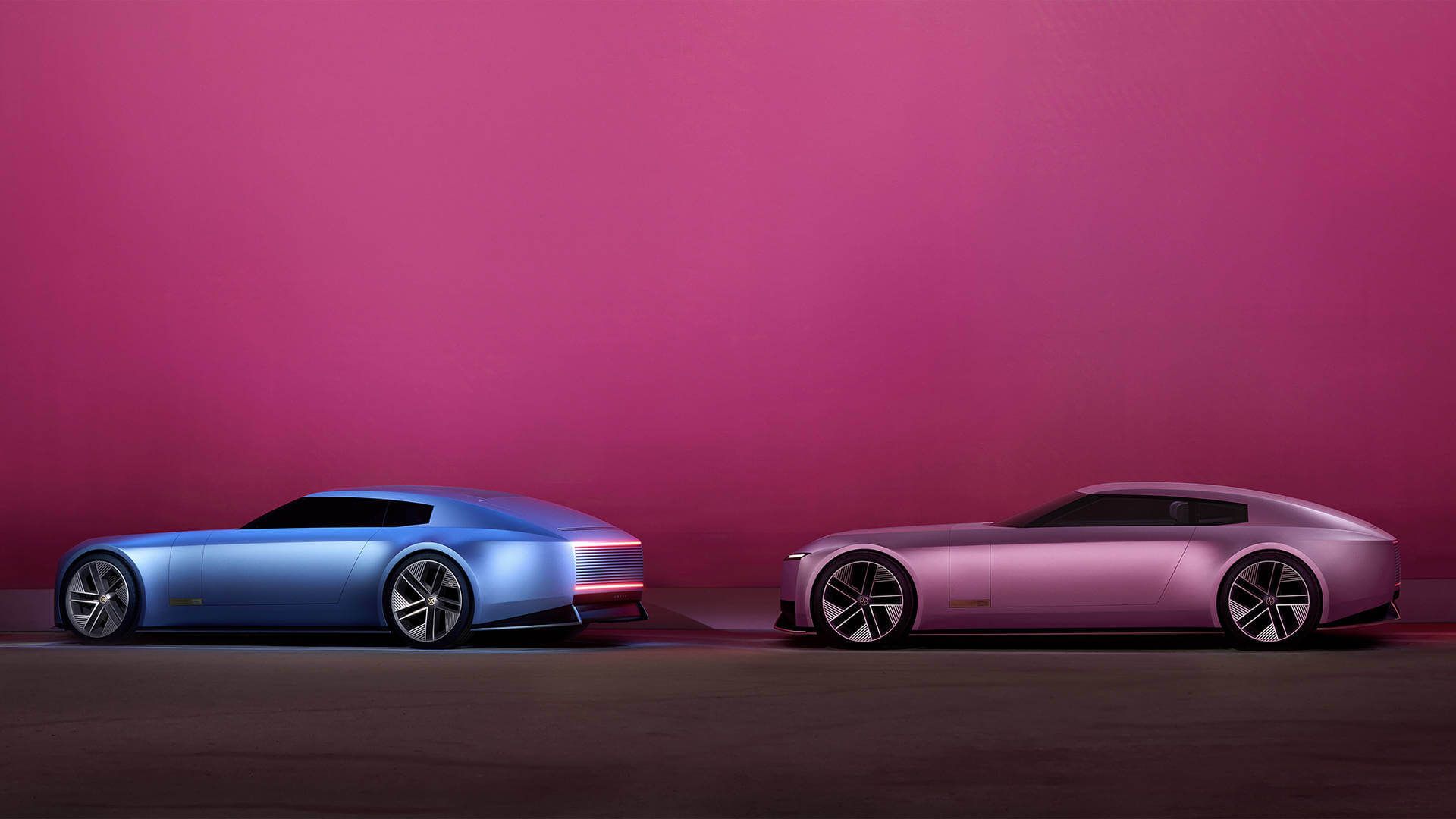

Former U.S. President Donald Trump has once again voiced criticism of what he calls “woke” corporate behavior—this time targeting Jaguar, the luxury British car manufacturer. The comments come as the automaker announces the appointment of a new chief executive and continues efforts to redefine its brand in an evolving global market.
Trump, known for his outspoken views on corporate culture, took aim at Jaguar over what he perceives as a shift toward progressive values in its branding and marketing strategies. Although the company has not directly responded to his remarks, the situation highlights the growing tension between traditional political figures and major brands adapting to new consumer expectations.
The latest shift in leadership at Jaguar represents an important phase for the organization. As the company maneuvers through a swiftly evolving auto industry—characterized by a move towards electrification, eco-friendliness, and digital advancements—the hiring of a fresh CEO is projected to solidify its strategic goals. The new leader, who brings a wealth of experience in luxury automotive innovation and design, is anticipated to lead Jaguar’s evolution into a completely electric luxury brand by the decade’s close.
Jaguar’s transformation strategy, which includes phasing out internal combustion engines and investing in zero-emission technologies, has been met with both praise and skepticism. Supporters argue that the company is positioning itself for long-term relevance in a highly competitive global market. Detractors, including Trump, see these changes as politically motivated or overly aligned with progressive ideologies.
In his criticism, Trump highlighted Jaguar as an illustration of what he perceives as companies departing from their customary practices in favor of messages with political undertones. Although he didn’t mention any particular campaigns or strategies, his comments continue a wider argument he has been promoting in recent years—claiming that businesses are pushing customers away by becoming too closely associated with social causes or eco-friendly endeavors.
This is not the first time Trump has criticized a well-known brand. Throughout his political career and beyond, he has repeatedly targeted companies that he claims prioritize “wokeness” over what he sees as sound business practices. These statements often generate significant media attention and spark debates about the role of politics in corporate decision-making.
Jaguar, on the other hand, has persisted in concentrating on its long-term objectives. Their aim involves transforming the brand into a contemporary, eco-friendly luxury car manufacturer with a unique design signature and premium electric capabilities. The firm has also highlighted its dedication to diversity, environmental stewardship, and technological advancement—principles that appeal to the current generation of customers and investors.
Analysts suggest that Jaguar’s shift is less about ideology and more about necessity. The global automotive market is undergoing unprecedented change, with governments setting ambitious climate targets and consumers demanding cleaner, more efficient vehicles. In this context, embracing electric mobility and promoting social responsibility are increasingly seen as vital business imperatives, not political statements.
The appointment of a new CEO is expected to accelerate Jaguar’s transition. The incoming leader brings a vision that aligns with the company’s strategic pivot and has a track record of delivering growth through design innovation and customer engagement. Early signals suggest that the brand will continue to push forward with its transformation plan, despite criticism from outside voices.
Even though Trump’s comments might appeal to a portion of the audience wary of business engagement in societal matters, they are improbable to disrupt Jaguar’s larger goals. The firm continues to prioritize growing its international presence, improving its range of products, and adhering to regulatory demands in crucial regions like the European Union and China, where environmental standards are progressively tightening.
The ongoing clash between political figures and corporate entities reflects a deeper cultural divide that has emerged in recent years. As companies respond to the complex demands of modern consumers, they are often caught between differing expectations. On one side are those who support progressive action on climate and equity; on the other are voices warning against perceived overreach into social or political arenas.
Jaguar’s situation exemplifies this tension, but it also underscores the broader reality that global brands must continuously evolve to remain competitive. The luxury automotive sector, in particular, is being redefined by innovation, design excellence, and a commitment to environmental stewardship. These forces are driving companies like Jaguar to make bold decisions, even at the risk of criticism.
Ultimately, where politics, business, and cultural identity meet will probably continue to be a hot topic in public discussions. For Jaguar, the main focus seems evident: concentrate on providing innovative and eco-friendly vehicles while enhancing the brand for a future that calls for more than just high performance—it seeks a meaningful purpose.
As the new CEO steps in, Jaguar’s upcoming phase will be keenly observed. The brand’s capability to uphold its heritage while undergoing changes will rely not on political discourse, but on its capacity to adjust, innovate, and engage with a swiftly evolving world.


