

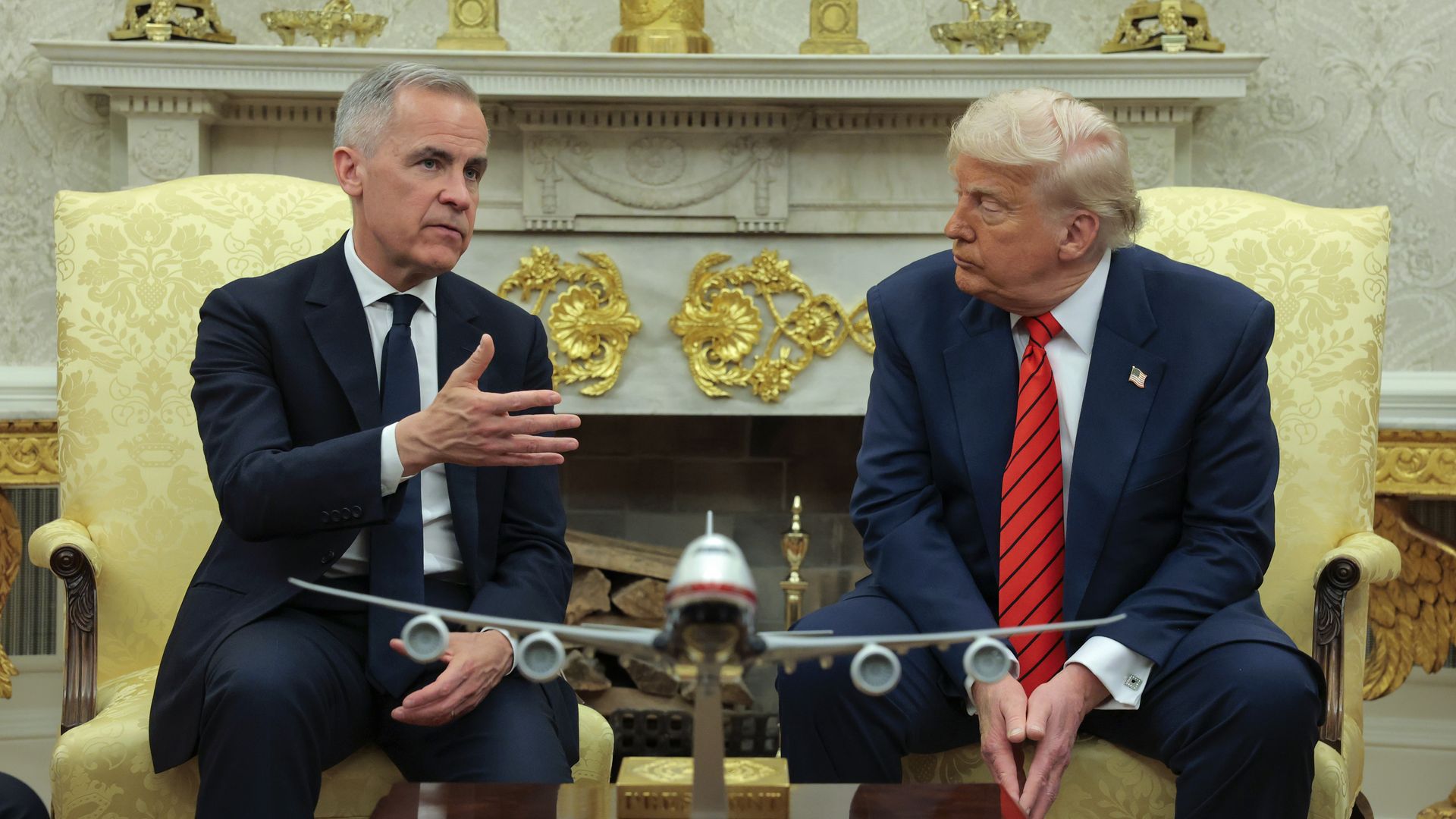

The recent failure to meet a key trade deadline between the United States and Canada has left both governments and industry stakeholders uncertain about the next phase in their economic relationship. With negotiations stalled and critical decisions postponed, attention has now turned to what this delay could mean for cross-border commerce, regulatory alignment, and long-term trade policy.
The originally established timeline, part of wider initiatives aimed at updating bilateral trade agreements, expired without resolution because of ongoing disagreements in crucial areas like farming, car production, and digital trade. Even though there were several negotiation sessions and public declarations affirming mutual dedication to achieving an agreement, negotiating parties couldn’t conclude the terms before the deadline.
This lapse does not mean that trade between the two nations will grind to a halt. The United States and Canada remain each other’s largest trading partners, with billions of dollars in goods and services crossing the border daily. Existing agreements, including the United States-Mexico-Canada Agreement (USMCA), remain in effect and continue to provide a foundational structure for economic cooperation.
However, the missed deadline may delay updates or amendments to those agreements that many industries were counting on to resolve longstanding regulatory inconsistencies, ease tariffs, or open new markets. Sectors like dairy, lumber, e-commerce, and green technology were especially keen on seeing clearer terms that would provide greater predictability and lower trade barriers.
For those involved in farming, especially within Canada’s supply-managed dairy industry, lingering doubts about market entry and export limits continue to be worrisome. Simultaneously, manufacturers and digital service companies based in the United States have shown dissatisfaction with regulatory procedures and technical standards, which they claim hinder progress and competitive advantage.
Representatives from each party have expressed a willingness to restart talks, though the political environment—particularly with impending elections in the United States—might make the timing and details of upcoming dialogues more complex. Trade, frequently a topic of political sensitivity, might become increasingly interwoven with larger geopolitical arguments and domestic economic agendas.
Analysts suggest that the breakdown at the deadline may have been more tactical than structural. In other words, negotiators might have intentionally allowed talks to lapse in order to buy time for additional consultations, stakeholder input, or political maneuvering. Nonetheless, the optics of a missed deadline can weaken confidence among business leaders and investors who seek stability in trade relations.
The delay also affects North America’s position in global trade dynamics. With shifting alliances, emerging markets, and increased competition from Asia and Europe, both Canada and the United States have a vested interest in presenting a united front. Delays in trade updates can hinder their ability to negotiate effectively with other international partners or to respond collectively to global economic challenges, such as supply chain disruptions or climate-related trade rules.
There is also the possibility of countermeasures or increased tensions if one party feels the other is not negotiating sincerely. Previous disagreements, like those over softwood lumber and aluminum duties, have demonstrated how unresolved trade issues can rapidly intensify. Although neither nation has indicated punishing actions after the deadline passed, the threat persists if discussions do not advance positively.
Beyond government-level negotiations, industry associations on both sides of the border are urging officials to return to the table swiftly. Business leaders emphasize the need for transparency, consultation, and practical outcomes that address real-world challenges—such as infrastructure bottlenecks, cross-border data flows, and carbon pricing mechanisms.
The broader question now is whether the missed deadline will serve as a brief setback or mark the beginning of a more prolonged impasse. The answer may lie in the willingness of both countries to prioritize trade modernization amid competing national agendas. In the past, economic pragmatism has helped overcome political divides between Washington and Ottawa, and there is cautious optimism that similar momentum can be regained.
While companies reliant on stable trade regulations are opting to monitor the situation closely, numerous businesses are reassessing their supply chain tactics, backup strategies, and regulatory structures to prepare for possible postponements or changes in policy. Some are even contemplating expanding into different markets to minimize risks linked to uncertainties in North America.
The path forward is likely to involve a mix of technical negotiations and political signaling. Upcoming bilateral meetings, trade summits, and ministerial conferences may offer windows of opportunity to revisit the most contentious issues. Moreover, evolving global challenges—from climate change to digital taxation—may create external pressure for both governments to show unity and cooperation.
If a fresh deal or revised framework isn’t reached, the current trade regulations established under the USMCA will persist in directing bilateral trade. Nonetheless, the missed deadline has exposed weaknesses and inefficiencies that require attention. Moving forward, either through official renegotiations or gradual modifications, it will be crucial to find a middle ground between national priorities and mutual economic aims.
The resilience of the US-Canada trade relationship will be measured not just by the ability to meet deadlines but by how effectively both countries can adapt to changing economic realities while maintaining trust, fairness, and mutual benefit. As negotiations resume and policies evolve, stakeholders across the continent will be watching closely—and preparing for whatever comes next.


